Selective Laser Trabeculoplasty in Thailand Your guide to cost, top specialists & hospitals
A gentle laser that lowers eye pressure in minutes, and can be repeated when needed.
What Is Selective Laser Trabeculoplasty?
Also known as: Laser Glaucoma Treatment · SLT (Selective Laser Trabeculoplasty)
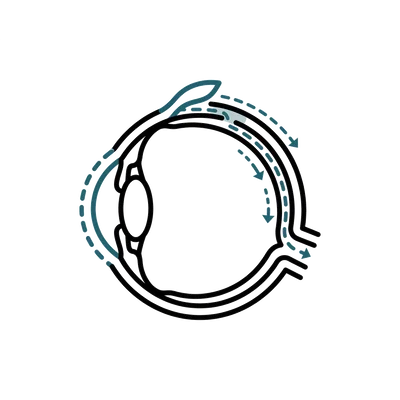
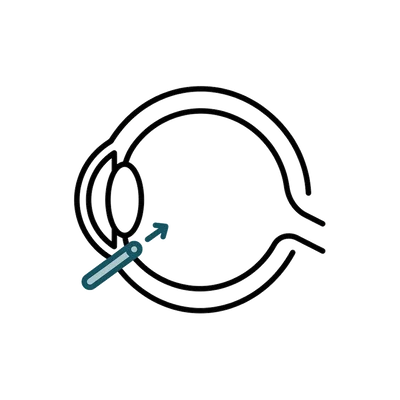
Selective Laser Trabeculoplasty is a laser treatment that lowers eye pressure in glaucoma by improving the eye's natural drainage1,2. A low-energy laser stimulates the trabecular meshwork, the spongy tissue that drains fluid from the front of the eye, so fluid flows out more freely. It treats open-angle glaucoma and ocular hypertension, and takes under 20 minutes per eye. Because it causes no structural damage, it can be repeated when pressure climbs again.3,4
If the idea of a laser near your eye sounds daunting, it is gentler than it sounds. Numbing drops go in first, and you sit at a machine much like a normal eye exam. Most people feel only a faint flash of light, then go home the same day with no downtime.
The pressure does not drop straight away; the full effect builds over four to six weeks, so your specialist checks it during that window. SLT works well for most suitable patients, but the response varies and a few still need drops. A gonioscopy at your assessment confirms whether your eye is a good fit.
It can address a range of concerns, including:
Am I a Good Candidate for Selective Laser Trabeculoplasty?
SLT suits open-angle glaucoma and ocular hypertension with the right angle anatomy; the gates are mechanical rather than general health.
The laser works on one drainage mechanism, so your specific diagnosis decides eligibility.
Open-angle or ocular hypertension: These respond well, and the LiGHT trial supports SLT as first-line treatment.
Other types excluded: Angle-closure, neovascular, uveitic, and congenital glaucoma are not suitable, and laser could worsen pressure.
Drop fatigue is a valid reason: Difficulty adhering to daily drops, or side effects from them, makes SLT well worth discussing.
Gonioscopy before treatment predicts how well the laser will work on your drainage meshwork.
Pigmented meshwork: The laser targets pigment cells, so a visible, pigmented trabecular meshwork predicts a good response.
Poor pigmentation weakens response: An obstructed or poorly pigmented meshwork usually predicts a weak result, so the plan changes.
Quiet eye required: Active intraocular inflammation or recent uveitis is settled before laser.
Disease stage matters: Where advanced loss approaches central vision, the 4-6 week wait for full effect may be too risky.
SLT lowers pressure reliably but not universally, and on its own timetable.
Lowers eye pressure: Many patients reduce or stop their drops; some still need them to reach target pressure.
Effect builds slowly: Full pressure lowering develops over 4-6 weeks, monitored by your specialist at home.
Repeatable, not permanent: The effect often lasts several years, with around half of treatments still working at 5 years, and can be repeated because the laser causes no structural damage.
Who is not suitable for selective laser trabeculoplasty?
- Angle-closure, neovascular, uveitic, or congenital glaucoma
- Active intraocular inflammation or recent uveitis until settled
- Poorly pigmented or obstructed trabecular meshwork on gonioscopy
- Advanced glaucoma where the 4-6 week wait for effect risks remaining vision
Pricing
How Much Will Selective Laser Trabeculoplasty Cost in Thailand?
What selective laser trabeculoplasty costs at accredited hospitals in Thailand, and what your final quote depends on.
Get your exact price
Tell us what you're considering and we'll send a personalised quote from accredited clinics within 24 hours.
Get a Free QuoteTypical prices in Thailand
Typical ranges based on recent hospital quotes. Your exact price depends on the hospital and how complex your case is, and is confirmed at your teleconsultation.
Selective Laser Trabeculoplasty
A low-energy laser stimulates the eye's drainage meshwork so fluid escapes more freely and pressure falls, and because nothing is cut it can be repeated when the effect fades.
| SLT, one eye A single laser session on the drainage meshwork of one eye, for raised pressure in that eye | $800 to $950 ฿27,200 to ฿32,300 |
| SLT, both eyes in the same session Both eyes treated one after the other on the same visit, when pressure is raised in each | $950 to $1,200 ฿32,300 to ฿40,800 |
| Repeat SLT A further laser session once an earlier treatment's effect has faded and pressure climbs again | $1,100 to $1,450 ฿37,400 to ฿49,300 |
Typically not included
- Treating the fellow eye. The figure covers one eye, so a second eye is charged separately or through the both-eyes package above
- Any surgical glaucoma treatment the assessment shows you need instead, such as MIGS or filtration surgery
- Visual field testing and OCT optic nerve imaging, if your work-up needs them beyond the gonioscopy already in your assessment
- Ongoing glaucoma eye drops and long-term medication, which stay with your home specialist and are neither prescribed nor supplied here
- Follow-up over the four to six weeks after treatment, and lifelong pressure, optic nerve and visual field monitoring with your home specialist
Get your exact price
Tell us what you're considering and we'll send a personalised quote from accredited clinics within 24 hours.
Hospitals Trusted for Selective Laser Trabeculoplasty
From internationally accredited flagships to dedicated specialist hospitals, these are the kinds of facilities where international patients have this procedure.
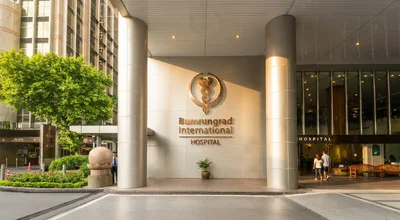
Bumrungrad International Hospital
Full-service hospital with over 1,200 physicians treating 520,000+ international patients a year.
View hospital profile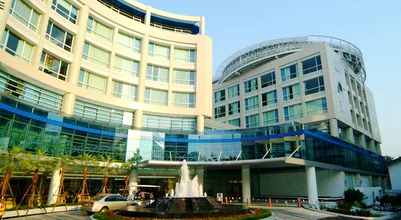
Bangkok Hospital
BDMS flagship hospital campus with standalone heart, cancer, and neuro-orthopaedic hospitals.
View hospital profile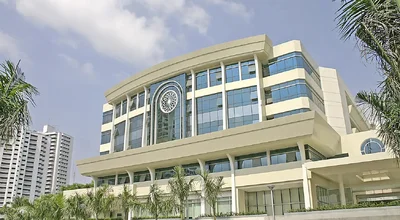
Samitivej Sukhumvit Hospital
Full-service hospital known for paediatrics, home to Thailand's first private children's hospital.
View hospital profile
Tell Us What You Need. We Do the Rest.
Share what you're considering and we'll come back with surgeon options, pricing, and a clear plan.
- Real hospital pricing with zero markup
- Matched with a specialist experienced in your specific procedure
- Full coordination from consultation to recovery


Trusted by patients worldwide
The complete guide to Selective Laser Trabeculoplasty in Thailand
Everything below is for readers who want the full detail: costs broken down, types and techniques, recovery, risks and safety, and planning your trip.
SLT Specialists in Thailand
SLT is a brief procedure, but the decision about when to use it and how to manage glaucoma overall requires subspecialist judgment.
Leading Glaucoma Centres in Bangkok
Our partner centres have dedicated glaucoma departments with gonioscopy capability, visual field analysers, OCT for optic nerve assessment, and SLT laser systems. They offer the full range of glaucoma treatments (SLT, MIGS, trabeculectomy, and tube shunts), ensuring the recommendation you receive is based on what is best for your glaucoma, not what the centre can offer.
Experienced Glaucoma Specialists
Our partner glaucoma specialists follow evidence-based SLT protocols. They can advise on whether SLT is appropriate as a first-line treatment, as an adjunct to drops, or as a step before considering surgical options. That contextual decision-making matters more than the laser procedure itself.
Coordinating with Your Home Specialist
After SLT in Thailand, your treatment response needs monitoring over the following weeks at home. Our team prepares a treatment report for your home glaucoma specialist including the treatment parameters, immediate pressure response, and recommended follow-up schedule. This ensures well-managed continuity of care.
Understanding Your Results
SLT results are measured by pressure reduction and, over time, by the preservation of optic nerve health and visual field.
Typical Results
SLT lowers eye pressure by improving the eye's natural drainage. The LiGHT trial showed that many patients treated with SLT as first-line therapy remain at their target pressure without needing drops for several years. The effect often lasts several years, with around half of treatments still working at 5 years, and can be repeated.
What Results Can You Expect?
Response varies between patients. Some achieve excellent pressure reduction from a single session. Others see a more modest response and may need drops to supplement the effect. Your glaucoma specialist will assess the response at follow-up and adjust the management plan accordingly. SLT does not damage the optic nerve or visual field; it simply lowers pressure.
SLT Cost in Thailand
Average Cost of SLT
SLT in Thailand typically costs between $800 and $1,450 per eye or per session. The total includes the glaucoma specialist consultation, gonioscopy examination, laser treatment, post-treatment pressure check, anti-inflammatory drops, and a follow-up appointment. Bilateral treatment in one session may be offered at a package rate.
Cost Breakdown
The total covers the glaucoma specialist fee, SLT laser usage fee, topical anaesthesia, post-treatment pressure monitoring, a short course of anti-inflammatory drops, and a follow-up visit. The costs are predictable because the procedure is standardised.
What Affects the Price?
Minimal variation. The main variables are whether one or both eyes are treated, and the hospital tier. 360-degree and 180-degree treatments are priced similarly. The treatment is standardised and the costs reflect the specialist fee and laser usage.
Thailand vs International Price Comparison
SLT in Thailand costs 40–60% less than in the US ($2,000–$3,200), Australia (A$1,850–A$3,050), and UK (£1,600–£2,800). The laser technology and treatment protocols are identical globally. If retreatment is needed years later, the cumulative savings from treating in Thailand are multiplied.
SLT vs Glaucoma Eye Drops
The main alternative to SLT is daily glaucoma eye drops, which lower eye pressure by either reducing fluid production or improving drainage. They are effective, widely prescribed, and for many people the first thing a specialist reaches for. For some patients drops alone keep pressure controlled for years.
The catch is that drops only work while you take them, exactly as prescribed, every day for life. Adherence is genuinely hard over years, and missed doses let pressure creep back up. Some people also get sore, red, or stinging eyes, and the cost and routine of refilling and instilling drops never goes away. They manage the pressure but never reduce the underlying treatment burden.
SLT is worth weighing when you would rather not depend on a daily drop routine, when drops are causing side effects or are hard to keep up with, or when you want a treatment that can lower pressure for several years from a single session. The LiGHT trial supports SLT as an effective first-line option rather than only a last resort5, and because it causes no structural damage it can be repeated when the effect fades, which is what the rest of this page covers. Note that we do not prescribe or supply eye drops; your ongoing medication stays with your specialist at home.
SLT Treatment Options
SLT technique is standardised; the variable is how much of the trabecular meshwork is treated. More treatment typically means more pressure reduction, and recent evidence favours treating the full 360 degrees in a single session.
360-Degree SLT
Laser applied around the full circumference of the trabecular meshwork in one session. Achieves greater, more sustained pressure reduction. Increasingly the standard: the LiGHT trial established 360-degree SLT as effective first-line therapy, and subsequent evidence supports greater pressure reduction than partial treatment.
- Greater average pressure reduction than 180-degree treatment
- Supported by the LiGHT trial as effective first-line therapy
- Can still be repeated if the effect diminishes over years
- Best for: most patients; this is the current evidence-based standard
180-Degree SLT
Treats half the meshwork in one session, with the option to treat the remaining half later if additional pressure lowering is needed. A more conservative approach chosen when only modest reduction is needed or as a first step in patients with very mild elevation.
- Conservative initial approach with escalation option
- Suitable when only modest pressure lowering is required
- Second half can be treated later if needed
- Best for: mild elevation or patients preferring a staged approach
SLT Laser Technology
SLT uses a frequency-doubled Nd:YAG laser that selectively targets melanin in the trabecular meshwork. The energy is low enough that surrounding tissue is unaffected, which is the fundamental difference from older argon laser trabeculoplasty.
Selective Laser Mechanism
SLT pulses are too brief and too low in energy to cause thermal damage. Instead, they trigger a biological cascade that improves outflow facility through cellular remodelling of the trabecular meshwork. This non-destructive mechanism is why the treatment can be repeated, unlike argon laser, which causes permanent coagulative scarring.
- Non-destructive biological mechanism with no thermal tissue damage
- Repeatable when the effect diminishes over time
- No structural change to the trabecular meshwork anatomy
- Best for: understanding why SLT can be safely repeated; unique among glaucoma lasers
Post-Treatment Pressure Monitoring
Intraocular pressure is checked 30–60 minutes after treatment. A transient pressure spike is the most common side effect, usually mild and self-limiting. If elevated, a short course of pressure-lowering drops is prescribed. Anti-inflammatory drops are used for a few days.
- Pressure monitored before discharge to detect any transient spike
- Anti-inflammatory drops prescribed for a short course
- Full effect develops gradually over 4–6 weeks
- Best for: all SLT patients; standard post-treatment safety protocol
SLT Recovery Timeline
Day of Treatment
You can leave shortly after the pressure check. Mild redness or a slight ache may occur but resolves within hours. Anti-inflammatory drops are prescribed for a few days. No activity restrictions.
Days 1–2
Vision returns to normal and any mild discomfort settles. Continue current glaucoma drops as instructed. A follow-up pressure check is performed before you travel.
Weeks 2–6
The full pressure-lowering effect develops gradually over 4–6 weeks. Your home glaucoma specialist will monitor pressure and begin adjusting or reducing drops based on the response.
Ongoing
SLT effects often last several years, with around half of treatments still working at 5 years.4 The treatment can be repeated when pressure begins to rise again, offering a sustainable long-term management option. Regular pressure monitoring continues with your local specialist.
When Can You Fly After SLT?
There are no flying restrictions after SLT. You can fly the same day if needed. Most patients stay 3–5 days for the consultation, treatment, and a follow-up pressure check before departure.
Are There Any Activity Restrictions?
None. Normal activities resume immediately. There is no recovery period, no eye patching, and no physical limitations. SLT is among the least disruptive medical procedures available.
How Will I Know If SLT Worked?
The full effect develops over 4–6 weeks. Your home glaucoma specialist will measure your pressure during this period to assess the response. If the pressure reduction is sufficient, drops may be reduced or stopped. If the reduction is insufficient, additional medical or surgical options are discussed.
Anaesthesia for SLT
SLT needs nothing more than anaesthetic eye drops. A few seconds before treatment your specialist places numbing drops on the surface of the eye, so you stay fully awake and aware throughout. There is no injection, no sedation, and no general anaesthetic. You sit at a machine much like the one used for a routine eye exam, with a contact lens resting gently on the numbed eye to focus the laser, while the ophthalmologist performs the treatment.
Because the eye is numb, you do not feel the laser itself. Most people notice only a faint sensation or a brief flash of light as each pulse is delivered, and the whole treatment takes around 10 to 15 minutes per eye. You will not see the procedure being done in any alarming way; your vision simply blurs a little from the lens and the drops, then clears within a short while afterwards.
There is no formal pre-operative work-up for anaesthesia, since topical drops carry no general anaesthetic risk. Your assessment focuses instead on the eye itself, with a gonioscopy to confirm the angle is suitable. Afterwards you may have a mild ache or a slight scratchy feeling as the drops wear off, which settles within hours and is easily managed; there is no patch and no real downtime.
Risks and Safety of SLT
SLT has an excellent safety profile and is among the lowest-risk procedures in glaucoma management.3,4 Side effects are generally mild and transient.
- Insufficient pressure reduction in some patients
- Anterior chamber inflammation (rare)
- Effect wearing off over time (expected, with retreatment as an option)
Serious complications from SLT are extremely rare. The post-treatment pressure check is the most important safety step, detecting any transient spike and managing it immediately. The non-destructive mechanism means that even if SLT does not lower pressure sufficiently, no harm has been done, and all other treatment options remain available.
Is SLT Safe in Thailand?
Yes. SLT is a standardised laser procedure performed worldwide with identical equipment and protocols. Thailand's glaucoma centres use the same frequency-doubled Nd:YAG lasers as Western specialist centres. Our partner ophthalmologists are fellowship-trained glaucoma specialists with extensive SLT experience.
Can SLT Be Used Instead of Eye Drops?
Yes. The LiGHT trial demonstrated that SLT is non-inferior to daily drops for initial glaucoma treatment, with potential advantages in drop-free status and quality of life. Many patients achieve drop-free pressure control after SLT. Whether drops can be stopped depends on your target pressure and how well you respond to the laser.
How Many Times Can SLT Be Repeated?
Because SLT causes no structural damage to the trabecular meshwork, it can be repeated when the effect diminishes. Many patients undergo 2–3 treatments over the course of their glaucoma management. There is no fixed limit on retreatments, making SLT a sustainable long-term option.
Planning Your Trip to Thailand for SLT
SLT is one of the quickest medical procedures to plan around. A 3–5 day trip covers everything from assessment to post-treatment follow-up.
How Long to Stay
3–5 days. Assessment, gonioscopy, and SLT can often be completed on the same day or within 24 hours. A follow-up pressure check the next day or 2 days later confirms the early response. You are then free to fly home.
What Is Included
Your care coordinator schedules the consultation, treatment, and follow-up. The quote covers the specialist fee, laser treatment, post-treatment monitoring, drops, and follow-up visit. Flights and accommodation are separate.
Combining with Other Glaucoma Care
If you need additional glaucoma assessment such as visual field testing, OCT nerve analysis, or medication review, these can all be completed during the same trip. For patients considering MIGS or surgical options, the consultation covers the full range of possibilities.
Related Procedures
Other procedures that address similar goals or conditions, in case one of them is a closer fit for you.
Planning your treatment in Thailand
Independent guides to help you weigh the decision, before you commit to anything.
Common Questions About SLT Laser Treatment in Thailand
Everything you need to know before your procedure

Medical References
- Glaucoma Surgery What To Expect & How To Prepare for Surgery (Cleveland Clinic)
- Open-Angle Glaucoma What It Is, Symptoms & Treatment (Cleveland Clinic)
- Laser Trabeculoplasty (American Academy of Ophthalmology)
- Laser treatment for glaucoma selective laser trabeculoplasty (SLT) (The Dudley Group NHS Foundation Trust)
- Glaucoma diagnosis and management (NG81) Recommendations (National Institute for Health and Care Excellence)
Keep researching with AI
Open this guide in your AI assistant to dig deeper and ask the questions it didn't answer.
Opens in a new tab with this guide already loaded.
Medical disclaimer: Content on this site is provided for informational purposes and should not be treated as medical advice. Outcomes, timelines, and eligibility differ from person to person. Consult a qualified medical professional before making any decisions about surgery or treatment.
Ready to Get Started?
Speak with our care coordinators for a free, no-obligation consultation and personalised quote.
Get a Free Quote