Heavy Metal Detox in Thailand Your guide to cost, top specialists & hospitals
Knowing what is actually in your system is the first step; removing it properly is the second.
What Is Heavy Metal Detox?
Also known as: Heavy Metal Detox Programme · Heavy Metal Chelation and Detoxification
Heavy metal detox is a medically supervised programme that lowers raised levels of toxic metals by binding them with a chelating drug so they leave through the urine1,2. It targets metals such as lead, mercury, arsenic, and cadmium, and it begins with testing, not treatment. Baseline labs, a 24-hour unprovoked urine collection, a blood or serum panel, and hair analysis read in context, confirm whether levels are genuinely raised. If they are, a specialist designs a chelation course using agents like EDTA or DMPS, given by IV over one to three hours per session with mineral replacement to guard against depletion.
The honest part comes first. For confirmed poisoning or occupational exposure, chelation is well-supported medicine.3,4 As a general wellness treatment without proven elevation, the evidence is much weaker, and a responsible clinic says so plainly. Many people who suspect a problem turn out to have normal levels, which is useful in itself.
How much your levels fall depends on your starting burden and your physiology, and progress is measured against repeat labs, not promised. Your specialist sets honest expectations at the consultation.
It can address a range of concerns, including:
Am I a Good Candidate for Heavy Metal Detox?
Supervised heavy-metal chelation suits adults with a confirmed metal burden and adequate kidney and liver function.
Chelation is only appropriate with a documented burden, so suitability starts with proper baseline testing.
Confirmed burden: good candidates have elevated levels on validated baseline testing, not a suspicion alone.
Organ function: chelation increases the clearance demand on the kidneys, so adequate renal function is needed.
Documented exposure: people with occupational exposure histories seeking supervised clearance are well suited.
Who is not suitable for heavy metal detox?
- No documented toxic burden on validated baseline testing
- Moderate-to-severe kidney impairment
- On mineral-binding medications or supplements, until reviewed
- Pregnant, breastfeeding, or actively trying to conceive
- G6PD deficiency, given the haemolysis risk with chelating agents
- Uncorrected hypocalcaemia or electrolyte disturbance, until corrected
Pricing
How Much Will Heavy Metal Detox Cost in Thailand?
What heavy metal detox costs at accredited hospitals in Thailand, and what your final quote depends on.
Get your exact price
Tell us what you're considering and we'll send a personalised quote from accredited clinics within 24 hours.
Get a Free QuoteTypical prices in Thailand
Typical ranges based on recent hospital quotes. Your exact price depends on the hospital and how complex your case is, and is confirmed at your teleconsultation.
Heavy Metal Detox
Blood and urine testing checks for raised metal levels, and where confirmed, a binding drug is given by drip over several sessions so the metals leave in the urine.
| Heavy metal detox programme (testing and five chelation sessions) Metal panel, then five drip sessions of a binding agent, for a confirmed raised burden | $500 to $800 ฿17,000 to ฿27,200 |
Added to the above where needed
| Heavy metal testing (blood and urine) Baseline check of mercury, lead, arsenic and cadmium levels | $150 to $250 ฿5,100 to ฿8,500 |
| IV chelation therapy, single session One infusion of EDTA or DMPS to bind metals | $70 to $110 ฿2,380 to ฿3,740 |
Typically not included
- A repeat chelation course three to six months on, where follow-up labs show one is warranted
- Diagnosis and treatment of any separate condition your baseline blood work uncovers
Get your exact price
Tell us what you're considering and we'll send a personalised quote from accredited clinics within 24 hours.
Hospitals Trusted for Heavy Metal Detox
From internationally accredited flagships to dedicated specialist hospitals, these are the kinds of facilities where international patients have this procedure.
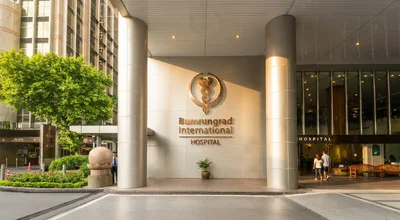
Bumrungrad International Hospital
Full-service hospital with over 1,200 physicians treating 520,000+ international patients a year.
View hospital profile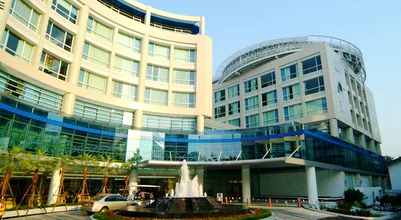
Bangkok Hospital
BDMS flagship hospital campus with standalone heart, cancer, and neuro-orthopaedic hospitals.
View hospital profile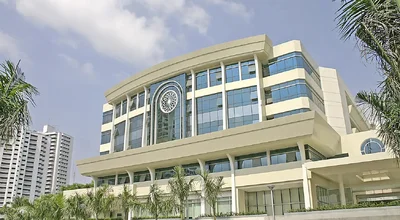
Samitivej Sukhumvit Hospital
Full-service hospital known for paediatrics, home to Thailand's first private children's hospital.
View hospital profile
Tell Us What You Need. We Do the Rest.
Share what you're considering and we'll come back with surgeon options, pricing, and a clear plan.
- Real hospital pricing with zero markup
- Matched with a specialist experienced in your specific procedure
- Full coordination from consultation to recovery


Trusted by patients worldwide
The complete guide to Heavy Metal Detox in Thailand
Everything below is for readers who want the full detail: costs broken down, types and techniques, recovery, risks and safety, and planning your trip.
Heavy Metal Detox Clinics & Specialists in Thailand
The clinic and specialist you choose matter more than the specific chelation agent. Here is what to look for.
Leading Integrative Clinics in Bangkok
Our partner clinics operate within or alongside JCI-accredited hospitals, giving them access to full laboratory services, imaging, and emergency support if needed. They are staffed by physicians trained in both conventional and integrative medicine, not alternative practitioners working outside the medical system.
Experienced Chelation Specialists
The physicians running these programmes hold Thai medical board certification and have additional training in chelation protocols, functional medicine, or toxicology. Many have trained internationally and returned to Thailand where patient volumes in integrative medicine are higher. Ask about their specific chelation experience; a good specialist will have managed hundreds of cases.
What to Look for in a Clinic
The most important indicator is whether the clinic insists on diagnostic testing before offering treatment. If a clinic is willing to chelate you without first confirming elevated metal levels, that is a red flag. Also check that mineral replacement is included as standard, that kidney function is monitored throughout, and that the physician can explain the evidence base honestly, including its limits.
Understanding Your Results
Heavy metal detox outcomes are measured objectively through lab work, not visual before-and-after photos. Here is what to expect.
Typical Heavy Metal Detox Results
Patients with confirmed metal elevation typically see measurable reductions on post-programme urine or blood testing. The degree of reduction depends on initial burden, the number of sessions completed, and individual physiology. Subjective improvements such as better energy, reduced brain fog, and fewer unexplained symptoms are commonly reported but harder to attribute definitively to chelation alone.
What Results Can You Expect?
Expect lab-verified reduction in target metal levels after a full programme. Whether that translates into symptom improvement depends on whether those metals were actually causing your symptoms. A responsible specialist will set honest expectations about this distinction during your initial consultation rather than promising that chelation will resolve everything.
Heavy Metal Detox Cost in Thailand
Average Cost of Heavy Metal Detox
A full programme typically costs between $500 and $800, depending on the number of chelation sessions, the agents used, and whether adjunctive therapies are included. Shorter programmes with fewer sessions sit at the lower end, and a diagnostic-only assessment without chelation costs considerably less again.
Cost Breakdown
The total covers diagnostic testing (24-hour unprovoked urine collection, blood or serum heavy metal panel, hair analysis), specialist consultation, chelation sessions with pharmaceutical-grade agents, mineral replacement infusions, and any adjunctive therapies such as glutathione drips or sauna sessions. Follow-up telemedicine consultations are typically included.
What Affects the Price?
The main variables are the number of chelation sessions (which depends on your metal burden), the agents used (EDTA is less expensive than DMPS), and whether you opt for additional supportive therapies. Longer programmes with more sessions cost more, as you would expect.
Thailand vs International Price Comparison
Heavy metal detox in Thailand costs 60–80% less than equivalent programmes in the US ($1,000–$2,000), Australia (A$900–A$1,750), and UK (£800–£1,500). The savings reflect lower clinical operating costs, not lower-grade materials or monitoring. The pharmaceutical agents are identical.
Types of Heavy Metal Detox Programmes
The right programme depends on what your test results show and what clinical problem you are trying to solve. Not everyone who walks in needs chelation; some need testing and reassurance.
Diagnostic-Only Assessment
A testing-first approach for patients who suspect exposure but have no confirmed elevation. Diagnosis relies on validated baseline measurements: 24-hour unprovoked urine, blood or serum heavy metal panel, and hair analysis with clinical interpretation. Provocation-challenge testing is not endorsed by toxicology bodies (ACMT, AACT, ATSDR) because it inflates urinary excretion even in healthy patients. If levels are normal, you leave with data and clarity rather than unnecessary treatment.
- 24-hour unprovoked urine collection and comprehensive blood or serum panel
- Hair analysis with clinical interpretation where appropriate
- Results interpreted by a specialist in context of symptoms and exposure history
- No chelation administered unless clinically indicated
- Best for: patients who want to test before committing to treatment
Standard Chelation Programme
A five-to-ten-day course of IV chelation for patients with confirmed metal elevation. Sessions alternate with rest days. Mineral replacement and liver support run alongside chelation to prevent depletion and support clearance.
- IV chelation sessions every 24–48 hours with physician monitoring
- Mineral replacement infusions with each session
- Liver-support and antioxidant therapy between sessions
- Best for: patients with documented moderate-to-high metal levels
Extended Integrative Programme
Combines chelation with broader detox support: glutathione infusions, far-infrared sauna, dietary protocol, and take-home supplements. Suited to patients who want maximum clearance during a longer stay or who are combining detox with other wellness treatments.
- Core chelation plus adjunctive therapies for secondary elimination pathways
- Structured nutrition plan to support hepatic detox pathways
- Take-home oral chelator and supplement protocol for continued clearance
- Best for: patients with high metal burden or those combining with other programmes
Chelation Techniques
The chelation agent your specialist selects depends on which metals are elevated and how your kidneys handle clearance. There is no one-size-fits-all protocol here.
EDTA Chelation
Calcium disodium EDTA binds lead, cadmium, and other divalent metals effectively. Infused slowly over one to three hours with vital-sign monitoring. EDTA is the most studied chelation family, though the NIH-funded TACT cardiovascular trial tested a different formulation, disodium EDTA, not the calcium disodium form used here for lead and cadmium6.
- Slow IV infusion with physician monitoring throughout
- Post-session mineral replacement to prevent essential mineral depletion
- Most robust evidence base among available chelation agents
- Best for: lead and cadmium elevation, or combined metal burden
DMPS and DMSA Chelation
Thiol-based agents with strong affinity for mercury and arsenic. DMPS is given intravenously; DMSA is available as an oral adjunct. Both are well tolerated under medical supervision and can be combined with EDTA when multiple metals are involved.
- DMPS via slow IV push for mercury and arsenic clearance
- DMSA oral protocol for continued clearance between IV sessions
- Repeat baseline urine and blood testing before and after to quantify clearance
- Best for: mercury-dominant burden or mixed metal elevation
Supportive Detox Therapies
Many clinics add IV glutathione, high-dose vitamin C, and far-infrared sauna to support secondary elimination routes. These adjuncts are not chelation agents themselves; they support liver conjugation, antioxidant defence, and sweat-based excretion alongside the primary chelation protocol.
- IV glutathione to bolster hepatic detoxification capacity
- Far-infrared sauna to promote excretion through sweat
- Hydration protocols and lymphatic support to assist renal clearance
- Best for: patients on extended programmes or with high total toxic load
Heavy Metal Detox Programme Timeline
Days 1–2
Diagnostic testing and initial consultation. Your specialist reviews blood work and validated baseline urine results, designs your chelation protocol, and begins the first session if levels warrant treatment.
Days 3–10
Chelation sessions alternate with rest days. Mineral replacement and liver-support infusions run alongside each session. Your specialist monitors kidney function and adjusts dosing based on mid-programme lab checks.
Weeks 2–6
Follow-up urine or blood testing confirms clearance progress. Some patients report better energy or mental clarity over this period, though such subjective changes are hard to attribute to chelation alone. Your take-home supplement protocol supports continued excretion.
Months 3–6
Repeat lab work at three to six months measures long-term reduction. Your specialist reviews results remotely and advises whether additional sessions are warranted based on the numbers.
When Can You Fly After Heavy Metal Detox?
Most patients can fly home as soon as their programme is complete. There are no surgical wounds or anaesthesia considerations. If you have completed a full chelation course, your specialist will review your final blood work before discharge and clear you to travel. Some patients experience mild fatigue during the flight, which resolves within a day of arrival.
When Can You Return to Normal Activities?
There is no formal recovery period. Most patients feel well enough to walk, explore, and carry on with light activities between sessions. Heavier exercise and alcohol are best avoided during the programme to reduce kidney and liver load. Once the course is complete, you can resume your normal routine immediately.
When Will You See Results?
Subjective improvements such as better energy and clearer thinking often emerge during the second week. Objective results require follow-up lab work at four to eight weeks to quantify metal reduction. Your specialist will arrange remote review of these results and advise on next steps.
Risks and Safety of Heavy Metal Detox
Chelation using pharmaceutical-grade agents is generally well tolerated when administered by trained physicians with proper monitoring. The main risks relate to mineral depletion and kidney stress, both of which are managed proactively.5,3
- Mild fatigue, headache, or nausea during or after chelation sessions
- Temporary metallic taste during IV infusion
- Transient depletion of essential minerals (managed with replacement infusions)
- Mild gastrointestinal discomfort including loose stools
- Temporary redistribution of mobilised metals (especially mercury) if chelation frees them faster than the kidneys clear them, which can briefly worsen symptoms, limited with slow infusion, careful dosing, and good hydration
- Rare hypersensitivity reaction to the chelation agent
- Temporary changes in kidney function markers (monitored with serial blood work)
- Provocation-challenge urine testing produces falsely elevated readings even in healthy patients and is not endorsed by toxicology bodies for diagnosis, so a responsible clinic relies on validated baseline measurements.
Baseline kidney and liver function tests are performed before chelation begins. Mineral replacement is standard with every session, and renal markers are checked throughout the programme. The main risk-reduction step is choosing a clinic that tests properly and does not treat people who do not need treatment.
Is Heavy Metal Detox Safe in Thailand?
Yes, when delivered at a licensed clinic by physicians trained in chelation medicine. Thailand's integrative wellness clinics use the same pharmaceutical-grade agents and monitoring protocols as Western counterparts. The critical safety factor is proper patient selection: a responsible clinic will only chelate patients whose lab results justify it, and will monitor kidney function and electrolytes throughout.
How to Reduce Risks
Choose a clinic that insists on diagnostic testing before any treatment begins. Confirm that the physician has specific training in chelation protocols, not just general integrative medicine. Ask whether mineral replacement is included as standard; it should be. And make sure kidney function is checked at baseline and mid-programme.
When Is Follow-Up Treatment Needed?
Repeat lab work at three to six months determines whether additional sessions are warranted. Some patients with high initial burden benefit from a second course. Others achieve adequate clearance in a single programme. The decision is always based on lab results, not a fixed protocol, which is how it should work.
Planning Your Trip to Thailand for Heavy Metal Detox
Most patients need five to ten days in Thailand. Here is how to plan your stay, what is included, and what to expect logistically.
How Long to Stay in Thailand
Plan for five to ten days depending on the number of chelation sessions your specialist recommends. The first day covers diagnostic testing and consultation. Chelation sessions begin on day two and alternate with rest days. Your final session includes a discharge consultation with take-home instructions and follow-up arrangements.
What Is Included in Your Programme
Your care coordinator handles scheduling, clinic transfers, and follow-up arrangements. The programme fee covers all diagnostic testing, specialist consultations, chelation sessions, mineral replacement, and any adjunctive therapies. Accommodation and flights are arranged separately, but your coordinator can recommend convenient nearby options.
Bangkok as a Base
Bangkok is where the best integrative clinics are concentrated. Staying close to your clinic means easy access for daily or alternate-day sessions and quick response if anything unexpected comes up. The city also offers plenty of comfortable, affordable accommodation within walking distance of major clinic areas.
Related Procedures
Other procedures that address similar goals or conditions, in case one of them is a closer fit for you.
Planning your treatment in Thailand
Independent guides to help you weigh the decision, before you commit to anything.
Common Questions About Heavy Metal Detox
What to know before booking your detoxification programme in Thailand

Medical References
- Lead Poisoning (MedlinePlus)
- Heavy Metal Poisoning (Cleveland Clinic)
- Chelation Therapy (Cleveland Clinic)
- Detoxes and Cleanses What You Need To Know (NCCIH)
- Chelation for Coronary Heart Disease What You Need To Know (NCCIH)
- Questions and Answers The NIH Trials of EDTA Chelation Therapy for Coronary Heart Disease (NCCIH)
Keep researching with AI
Open this guide in your AI assistant to dig deeper and ask the questions it didn't answer.
Opens in a new tab with this guide already loaded.
Medical disclaimer: Content on this site is provided for informational purposes and should not be treated as medical advice. Outcomes, timelines, and eligibility differ from person to person. Consult a qualified medical professional before making any decisions about surgery or treatment.
Ready to Get Started?
Speak with our care coordinators for a free, no-obligation consultation and personalised quote.
Get a Free Quote