Surfer's Eye Surgery in Thailand Your guide to cost, top specialists & hospitals
A fleshy growth creeping across your eye is more than cosmetic; it distorts your vision. Surgery removes it cleanly.
What Is Surfer's Eye Surgery?
Also known as: Pterygium Surgery · Pterygium Excision
Surfer's eye surgery is an eye operation that removes a pterygium, a benign wing-shaped growth1,3 that creeps from the white of the eye onto the cornea, by lifting it off and covering the bare patch with a small graft of your own healthy tissue1,3. It treats a growth driven by years of sun, wind and dust1,2, the kind that reddens the eye, feels gritty, and can pull the cornea out of shape enough to blur vision. The graft, taken from under the upper eyelid, is usually held with fibrin glue rather than stitches, which most people find more comfortable. It is a short outpatient procedure, normally 30 to 45 minutes under local anaesthetic.
It is unsettling to watch something grow across your own eye, and many people put it off assuming it means major surgery. It does not. You stay awake but feel only pressure.
For most people the eye looks white and smooth again within a couple of months, and any blurring from a distorted cornea eases as the surface settles. How the gap is closed matters, so it is worth discussing at a consultation.
It can address a range of concerns, including:
Am I a Good Candidate for Surfer's Eye Surgery?
Surgery suits growths that threaten vision or defy drops; small quiet pterygiums are often better watched than operated on.
Surgeons weigh how far the growth has advanced and how much it genuinely bothers you.
Approaching the visual axis: A pterygium growing toward or across the line of sight, or inducing astigmatism, is the clearest indication.
Symptoms despite drops: Persistent redness, irritation, and foreign body sensation that lubricating drops cannot settle.
Watchful waiting has a place: Small, asymptomatic growths not yet affecting vision may simply be monitored instead.
A calm, infection-free surface gives the conjunctival graft the best chance to take.
Inflammation settled first: Active surface inflammation or infection is treated before excision.
Blood thinners planned for: Anticoagulants are reviewed around the graft harvest from under the upper eyelid.
Recurrent cases assessed: Revision surgery is possible but more complex, often using amniotic membrane or mitomycin-C, so prior surgical history shapes the plan.
Because UV exposure drove the growth, your habits after surgery directly affect whether it returns.
Permanent sunglasses habit: Quality UV-protective sunglasses outdoors are a lifelong change, not a temporary recovery measure.
High-exposure lifestyles: Surfers and outdoor workers remain candidates, but only with a genuine commitment to eye protection at home and work.
Technique plus behaviour: Autograft surgery keeps recurrence low; returning to unprotected UV exposure pushes that risk back up.
The cosmetic result is reliable; the visual result depends on how large the growth was.
Smooth white surface: Redness fades over 2-6 weeks, with the eye looking normal by 2-3 months.
Vision gains vary: Larger growths that distorted the cornea show clear improvement; smaller ones removed for comfort may not change vision.
Low recurrence, not zero: Conjunctival autograft keeps regrowth lowest of any closure technique.
Who is not suitable for surfer's eye surgery?
- Active eye surface inflammation or infection until settled
- Small, symptom-free growths better suited to watchful waiting
- Anticoagulant use not yet planned around the graft harvest
- Recurrent pterygium without a commitment to permanent UV protection
- Severe dry eye disease, which impairs graft integration, worsens foreign body sensation, and raises graft failure risk until treated
- Previous trabeculectomy, prior pterygium surgery, or other conjunctival surgery that may leave too little healthy bulbar conjunctiva for an autograft, shifting the plan to an amniotic membrane graft
Pricing
How Much Will Surfer's Eye Surgery Cost in Thailand?
What surfer's eye surgery costs at accredited hospitals in Thailand, and what your final quote depends on.
Get your exact price
Tell us what you're considering and we'll send a personalised quote from accredited hospitals within 24 hours.
Get a Free QuoteTypical prices in Thailand
Typical ranges based on recent hospital quotes. Your exact price depends on the hospital and how complex your case is, and is confirmed at your teleconsultation.
Surfer's Eye Surgery
A fleshy growth that has crept onto the cornea is lifted off, and the bare patch is covered with a small graft of your own healthy tissue.
| Excision of pterygium with graft, one eye Day case Local anaesthetic, outpatient, no overnight stay | $1,500 ฿50,600 |
Typically not included
- The second eye, since the figure covers one eye and there is no bilateral rate
- Anti-metabolite treatment or additional reconstruction where a recurrent pterygium needs more than a standard excision and graft
- Pre-operative medical clearance and fitness assessment
- Pathology and pathologist charges, since excised tissue is commonly sent for analysis
- Laboratory tests, imaging and other investigations
Get your exact price
Tell us what you're considering and we'll send a personalised quote from accredited hospitals within 24 hours.
Hospitals Trusted for Surfer's Eye Surgery
From internationally accredited flagships to dedicated specialist hospitals, these are the kinds of facilities where international patients have this procedure.
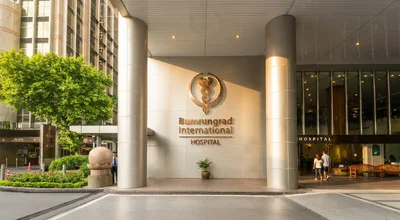
Bumrungrad International Hospital
Full-service hospital with over 1,200 physicians treating 520,000+ international patients a year.
View hospital profile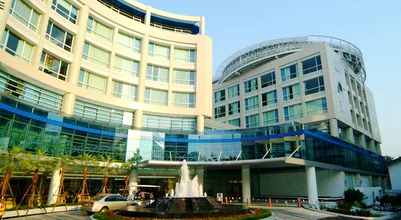
Bangkok Hospital
BDMS flagship hospital campus with standalone heart, cancer, and neuro-orthopaedic hospitals.
View hospital profile
Samitivej Sukhumvit Hospital
Full-service hospital known for paediatrics, home to Thailand's first private children's hospital.
View hospital profile
Tell Us What You Need. We Do the Rest.
Share what you're considering and we'll come back with surgeon options, pricing, and a clear plan.
- Real hospital pricing with zero markup
- Matched with a specialist experienced in your specific procedure
- Full coordination from consultation to recovery


Trusted by patients worldwide
The complete guide to Surfer's Eye Surgery in Thailand
Everything below is for readers who want the full detail: costs broken down, types and techniques, recovery, risks and safety, and planning your trip.
Pterygium Surgeons & Clinics in Thailand
Pterygium surgery is straightforward, but the closure technique determines recurrence, and that is where surgical experience matters.
Leading Eye Hospitals in Bangkok
Our partner hospitals have dedicated ophthalmic surgical departments where pterygium excision with autograft is a routine daily procedure. Fibrin glue and amniotic membrane materials are stocked as standard. These centres handle both primary and complex recurrent cases.
Experienced Ophthalmologists
Our partner surgeons perform high volumes of pterygium surgery, a reflection of the tropical climate and UV exposure levels in Thailand. They have extensive experience with autograft techniques and manage complex recurrent cases that referral centres in temperate climates see less frequently.
What to Look for in a Pterygium Surgeon
Confirm that the surgeon uses conjunctival autograft as standard, not bare sclera excision. Ask about their recurrence rate. Enquire whether fibrin glue is used; it improves comfort significantly. If your pterygium is recurrent, ask about their experience with revision surgery and adjunctive measures like mitomycin-C.
Understanding Your Results
Pterygium surgery produces visible cosmetic improvement alongside functional benefits: a white, smooth eye surface with reduced irritation and clearer vision.
Typical Results
The growth is completely removed, leaving a smooth, white eye surface. Redness resolves within 2–6 weeks. If the pterygium was causing astigmatism, visual clarity improves as the corneal surface regularises. The eye typically returns to a normal appearance within 2–3 months, with no visible evidence of the previous growth.
What Results Can You Expect?
Cosmetic improvement is immediate and progressive; redness fades over weeks and the eye surface normalises. Visual improvement depends on the size of the pterygium and whether it was affecting the corneal surface. Larger growths that induced astigmatism show more visual improvement after removal. Your surgeon will set expectations based on the size and location of your pterygium.
Surfer's Eye Surgery Cost in Thailand
Average Cost of Pterygium Surgery
Our partner hospital quotes a fixed package price for excision of a pterygium with a graft, valid to 31 December 2026. It is ฿50,600, roughly $1,488, for one eye under local anaesthetic as an outpatient with no overnight stay. There is one figure rather than a range, which is unusual and reflects how standardised the operation is. This is one hospital's rate rather than a national Thai price, and figures across the same network vary noticeably by branch.
Cost Breakdown
The package covers the ophthalmologist, the local anaesthetic, the operating theatre and the graft itself as part of the named procedure. Outside it sit pre-operative medical clearance, laboratory tests and imaging, consultant fees from other departments, and medication for conditions you already take. Pathology charges are worth asking about specifically, because excised tissue is commonly sent for analysis and pathologist fees are not inside the package. The published figure is for one eye, so a second eye is a second package rather than a discount.
What Affects the Price?
Very little moves within the package, which is the useful thing about it. What sits outside it is where your total grows. A recurrent pterygium that needs anti-metabolite treatment or more reconstruction than a standard excision and graft goes beyond what this figure buys, and your surgeon will say so at assessment rather than after. Treating both eyes means two packages, since there is no bilateral rate for this operation and we will not invent one. The other addition most people meet is the pathology charge on the excised tissue.
Thailand vs International Price Comparison
Our partner hospital's package is ฿50,600, about $1,488 for one eye, against $2,000 to $3,200 in the US, A$1,850 to A$3,050 in Australia and £1,600 to £2,800 in the UK. The gap is narrower than it is on most of the operations we handle, so if you are travelling for this alone, weigh the flights and the week you need in Thailand against the difference before you decide. For a procedure that is often classified as elective and not covered by insurance, it can still be the practical route, particularly if you are combining it with other treatment.
Non-Surgical Alternatives to Pterygium Surgery
For a small, quiet pterygium that is not yet reaching the cornea, surgery is often not the first step. Lubricating eye drops and artificial tears ease the grittiness and redness, a short course of mild anti-inflammatory drops can calm a flare, and UV-protective sunglasses slow the growth by removing the sun, wind and dust that drive it. Many people manage a stable pterygium this way for years, with their eye doctor simply monitoring it at regular checks.
What drops cannot do is remove the growth or reverse one that has already spread. They settle symptoms, but they do not shrink the tissue, and they will not undo a cornea that has been pulled out of shape. Once a pterygium starts blurring vision, inducing astigmatism, or staying inflamed despite consistent drops and sun protection, conservative care has reached its limit, and continuing to wait can let it advance further across the cornea, where removal becomes harder and any visual recovery less complete.
When the growth is reaching the visual axis, distorting vision, or persistently irritated, excision with a conjunctival autograft is the route to a lasting result, clearing the tissue and resurfacing the eye in one short procedure, and that is what the rest of this page covers.
Types of Pterygium Surgery
The closure technique after excision is what determines recurrence rates. How the gap is covered matters more than how the pterygium is removed.
Excision with Conjunctival Autograft
The pterygium is dissected from the cornea and sclera. A thin graft of healthy conjunctival tissue from under the upper eyelid is secured over the bare area using fibrin glue or fine sutures. This is the gold standard, with the lowest recurrence rate of any closure technique.
- Lowest recurrence rate of any closure technique
- Fibrin glue option eliminates suture discomfort
- Restores a smooth, natural-looking eye surface
- Best for: all primary pterygiums. This is the standard of care
Excision with Amniotic Membrane Graft
Processed amniotic membrane is placed over the bare sclera instead of autologous conjunctival tissue. Used when conjunctival tissue is limited, such as in revision cases or very large pterygiums where autograft harvest would compromise too much healthy conjunctiva.
- Anti-inflammatory and anti-scarring properties of amniotic tissue
- Useful when conjunctival tissue is insufficient for autograft
- Suitable for recurrent or previously operated pterygiums
- Best for: revision cases or large pterygiums where autograft tissue is limited
Excision with Conjunctival-Limbal Autograft
A refinement of the standard autograft, where the graft is taken to include a thin strip of limbal tissue at the edge of the cornea. This restores the natural barrier of limbal stem cells that normally stops conjunctiva from creeping onto the cornea, which is exactly where pterygiums regrow. It adds a little to the harvest but is often chosen for aggressive or recurrent cases where keeping recurrence as low as possible matters most.
- Includes a strip of limbal tissue to rebuild the corneal barrier
- Targets the source of regrowth, not just the bare area
- Particularly useful for aggressive or recurrent pterygiums
- Best for: recurrent cases or large, aggressive pterygiums where recurrence risk is highest
Pterygium Surgery Techniques
The surgical technique focuses on complete excision and low-recurrence closure. Fibrin glue technology has transformed the recovery experience by eliminating sutures in most cases.
Fibrin Glue Autograft Fixation
Fibrin glue bonds the conjunctival autograft to the underlying tissue without sutures. This eliminates the foreign body sensation caused by suture knots, significantly reduces post-operative discomfort, and shortens the recovery period. Most patients find the fibrin glue technique markedly more comfortable than sutured grafts.
- No suture-related discomfort or foreign body sensation
- Faster post-operative recovery compared to sutured grafts
- Graft adhesion is rapid and secure
- Best for: most autograft cases. This is the preferred fixation method
Anti-Metabolite Application
In recurrent pterygiums or cases at high risk of regrowth, a brief application of mitomycin-C to the scleral bed before graft placement can reduce the scarring response that drives recurrence. This is used selectively, not routinely, and the surgeon determines whether it is appropriate based on your case history.
- Reduces fibroblast activity that drives pterygium recurrence
- Reserved for recurrent cases or high-risk primary pterygiums
- Brief application with careful dosing and controlled exposure
- Best for: revision cases or pterygiums with a history of aggressive regrowth
Surfer's Eye Surgery Recovery Timeline
Days 1–3
Mild to moderate discomfort, foreign body sensation, and tearing are common. The eye appears red at the surgical site. Antibiotic and anti-inflammatory drops are used frequently. A protective shield may be worn at night. You cannot drive yourself away after surgery because the eye is patched and the local anaesthetic blurs vision, so arrange a transfer or lift home that day.
Days 4–7
Discomfort decreases noticeably. Redness begins to fade. The graft is checked at a follow-up appointment before you travel home. Normal activities can resume, but avoid swimming, dusty environments, and rubbing the eye.
Weeks 2–4
Healing progresses and redness subsides. The graft integrates with surrounding tissue. Continue prescribed drops on the tapering schedule. Wear UV-protective sunglasses outdoors without exception.
Months 1–3
The eye surface settles into its fully healed appearance. Residual redness fades completely. Any vision improvement from reduced corneal astigmatism becomes apparent. Long-term UV protection is essential to prevent recurrence.
When Can You Fly After Pterygium Surgery?
Most patients can fly home 5–7 days after surgery, once the surgeon has confirmed the graft is secure and healing is on track. There are no cabin pressure restrictions. Dry cabin air may cause mild discomfort, so bring lubricating drops for the flight and wear your sunglasses.
When Can You Drive Again?
You cannot drive on the day of surgery, as the eye is patched and the anaesthetic leaves vision blurred. Most patients drive again within 2–3 days, once the operated eye is comfortable, the shield is no longer needed in daylight, and vision is clear enough to meet the legal standard. If both eyes are being treated, wait until the second eye has also settled.
When Can You Return to Normal Activities?
Most daily activities, including desk work and light walking, can resume within a few days. Light exercise such as gym cardio or a gentle run is usually fine after about one week, once redness and discomfort have eased. Hold off on cycling and contact sports until the graft is well integrated, around 2–3 weeks, to avoid a knock or wind-blown grit to the healing eye. Swimming should wait 2–3 weeks, the same window as dusty, sandy, or windy environments. Outdoor activity is fine before then as long as UV-protective sunglasses are worn. Contact lens wear can resume once the eye has fully healed, usually 4–6 weeks after surgery.1
Long-Term UV Protection
UV exposure is the primary risk factor for pterygium development and recurrence. After surgery, wearing quality UV-protective sunglasses whenever you are outdoors is one of the most important things you can do. This is a permanent lifestyle change, not a temporary recovery measure. A wide-brimmed hat adds additional protection.
Anaesthesia for Surfer's Eye Surgery
Surfer's eye surgery is done under local anaesthesia, so you stay awake the whole time. The surgeon numbs the eye with anaesthetic drops, usually backed up by a small local injection around the eye, and you feel no pain. Because it is a surface procedure of 30 to 45 minutes, there is no need to put you to sleep, and you go home the same day.
A common worry is that you will see the surgery happening or feel the surgeon working on your eye. You will not. With the eye numb you are aware only of light and gentle pressure, the eye is held open for you, and you cannot make out any detail of what is being done. Some patients are offered a mild sedative to help them relax if they feel anxious, and the surgical team talks you through each step and monitors you throughout.
Before surgery you have an eye assessment, and this is the point to mention any blood-thinning medication, as it needs to be planned around the graft taken from under your upper eyelid. You feel nothing during the procedure itself. Afterwards, as the numbing wears off, it is normal to have some tearing, grittiness and a foreign body sensation for the first few days, which is mild, expected, and managed with the drops your surgeon prescribes.
Risks and Safety of Pterygium Surgery
Pterygium surgery is safe, well-tolerated, and low-risk. The main concern is recurrence, which is directly related to the surgical technique used for closure.
- Pterygium recurrence, substantially reduced with the autograft technique
- Graft displacement or loss, uncommon with fibrin glue fixation
- Persistent redness at the surgical site during healing
- Corneal scarring or residual haze from the pterygium's footprint
- Dellen, a focal dry, thinned patch of cornea next to a raised graft edge, usually settling with intensive lubrication
- Infection, rare with proper post-operative drop regimen
- Transient double vision, very rare, from oedema near the medial rectus
Recurrence is the risk that matters most, and the surgical technique is the primary determinant. Bare sclera excision without a graft has much higher recurrence rates, which closure with a conjunctival autograft substantially reduces.1,2 Any surgeon recommending pterygium surgery without autograft closure should be asked to explain why.
Is Pterygium Surgery Safe in Thailand?
Yes. Pterygium excision with autograft is a well-established, low-risk procedure. Thailand's ophthalmologists perform it routinely and have deep experience with the condition due to the tropical climate. Our partner centres use fibrin glue fixation, follow standardised surgical protocols, and monitor healing with follow-up before you depart.
How to Prevent Recurrence
The two most important factors are surgical technique and post-operative UV protection. Conjunctival autograft closure substantially reduces recurrence. Consistent UV-protective sunglasses and a wide-brimmed hat after surgery further reduce the risk.2 Patients who return to heavy UV exposure without eye protection have higher recurrence rates.
What If the Pterygium Comes Back?
Recurrent pterygium can be re-excised, though revision surgery is more complex because the conjunctival tissue has already been disturbed. Amniotic membrane grafts and anti-metabolite application are more commonly used in revision cases. The recurrence rate after revision with these adjunctive measures is still low.
Planning Your Trip to Thailand for Pterygium Surgery
Pterygium surgery is one of the simplest procedures to plan around. A 5–7 day trip covers everything from assessment to post-operative clearance.
How Long to Stay in Thailand
Plan for 5–7 days. Assessment and surgery can often be completed within 1–2 days of arrival. A follow-up 4–5 days post-surgery confirms the graft is secure before you fly home. The recovery is manageable and does not require bed rest or restricted activity.
What Is Included in a Medical Trip
Your care coordinator manages scheduling, hospital transfers, and follow-up appointments. The surgical quote covers the surgeon, autograft materials, fibrin glue, all post-operative drops, and follow-up visits. Flights and accommodation are arranged separately; this is typically a short, straightforward trip.
Combining with a Holiday
Pterygium surgery recovery is easy to combine with travel. By day 3–4, most patients feel comfortable enough to sightsee and explore; just wear your UV-protective sunglasses. Thailand's beaches are appealing, but avoid direct sun exposure to the healing eye for the first few weeks. Save the beach days for later in your trip.
Related Procedures
Other procedures that address similar goals or conditions, in case one of them is a closer fit for you.
Planning your treatment in Thailand
Independent guides to help you weigh the decision, before you commit to anything.
Common Questions About Surfer's Eye Surgery in Thailand
Everything you need to know before your procedure

Medical References
Keep researching with AI
Open this guide in your AI assistant to dig deeper and ask the questions it didn't answer.
Opens in a new tab with this guide already loaded.
Medical disclaimer: Content on this site is provided for informational purposes and should not be treated as medical advice. Outcomes, timelines, and eligibility differ from person to person. Consult a qualified medical professional before making any decisions about surgery or treatment.
Ready to Get Started?
Speak with our care coordinators for a free, no-obligation consultation and personalised quote.
Get a Free Quote