Lymphoedema Surgery in Thailand Your guide to cost, top specialists & hospitals
When compression and physiotherapy stop being enough, microsurgery can restore what the lymphatic system lost.
What Is Lymphoedema Surgery?
Also known as: Lymphedema Treatment · Lymphovenous Anastomosis · Vascularised Lymph Node Transfer
Lymphoedema surgery is a group of microsurgical and debulking operations that ease chronic limb swelling by improving lymphatic drainage or removing built-up tissue. Physiological surgery, meaning lymphovenous anastomosis (LVA) and vascularised lymph node transfer (VLNT), reroutes or rebuilds the body's own drainage using vessels as small as 0.3 mm joined under a high-powered microscope. Debulking surgery, usually liposuction, removes firm, fatty tissue that settles into later-stage limbs and no longer shifts with compression. It most often follows cancer treatment that removed or irradiated lymph nodes.
If you have lived with a heavy limb and the daily routine of garments and massage, you know how much it shapes ordinary life. Surgery lightens the load rather than offering a fresh start, and which operation fits you depends on imaging that maps what is still working underneath.
Honestly, lymphoedema is a long-term condition, so surgery reduces swelling and infections rather than curing it1,2, and how much it helps varies with how early it is caught. Many people keep some compression afterwards. A consultation, with your scans in front of the surgeon, is the only way to know what is realistic.
It can address a range of concerns, including:
Am I a Good Candidate for Lymphoedema Surgery?
Surgical candidacy depends on your disease stage, your imaging, and how far conservative therapy has already been pushed.
Stage determines which operation can help, so imaging comes before any surgical promise.
Confirmed diagnosis: Lymphoscintigraphy, ICG lymphography, or MRI must confirm lymphoedema and map what still functions.
Early stages suit LVA: Functioning lymphatic channels on ICG imaging are essential for lymphovenous anastomosis; without them, LVA is off the table.
Late fibrotic stages suit debulking: Solid, non-pitting swelling dominated by fibrotic fat responds to liposuction, not to drainage-restoring microsurgery. Some patients benefit from staged combinations of both.
Surgery enters the conversation only after compression and physiotherapy have been given a proper run.
Adequate trial completed: An honest period of compression, manual lymphatic drainage, and exercise without sufficient improvement is what surgeons expect to see.
Progression despite compliance: Worsening swelling or recurring cellulitis despite consistent conservative management strengthens the surgical case.
Conservative care continues: Compression and physiotherapy remain part of the treatment plan before and after the operation, not a phase that surgery replaces.
Microsurgery under general anaesthesia needs a stable, infection-free starting point.
Cellulitis fully cleared: Active or recent infection in the affected limb must resolve completely before surgery is scheduled.
Oncology clearance where relevant: Patients in ongoing cancer treatment need staging and oncology sign-off before lymphoedema surgery is planned.
Smoke-free for four weeks: Smoking impairs microsurgical healing and must stop a minimum of four weeks before the operation.
Surgery improves lymphoedema; it does not cure it.
Progressive, not instant: Measurable volume reduction emerges over three to six months, and after VLNT improvement continues for up to twelve months.
Compression may continue: Many LVA and VLNT patients reduce compression use as drainage improves; after liposuction, lifelong compression is mandatory to hold the result.
Stage predicts outcome: Early disease responds best to physiological surgery. Your surgeon sets expectations from your imaging and staging, not from averages.
Who is not suitable for lymphoedema surgery?
- Active or recent cellulitis in the limb, until fully cleared
- Ongoing cancer treatment without staging and oncology clearance
- No functioning lymphatic channels on ICG imaging for LVA (debulking may still be an option)
- Unable to commit to compression and physiotherapy after surgery
- Smoking within four weeks of surgery
Pricing
How Much Will Lymphoedema Surgery Cost in Thailand?
What lymphoedema surgery costs at accredited hospitals in Thailand, and what your final quote depends on.
Get your exact price
Tell us what you're considering and we'll send a personalised quote from accredited hospitals within 24 hours.
Get my free quoteTypical prices in Thailand
Typical ranges based on recent hospital quotes. Your exact price depends on the hospital and how complex your case is, and is confirmed at your teleconsultation.
Lymphoedema Surgery
Tiny lymphatic channels in the swollen limb are joined directly into nearby veins under a microscope, creating new routes for trapped fluid to drain away.
| Lymphovenous anastomosis, one to two spots 2 nights Supermicrosurgical bypass joining lymphatic channels straight into nearby veins, at one or two points on the limb | $9,500 ฿322,000 |
Typically not included
- Pre-operative lymphatic imaging, including ICG lymphography, lymphoscintigraphy and MRI lymphangiography
- Post-operative physiotherapy and manual lymphatic drainage. The free pre-surgery rehabilitation assessment is an assessment, not a treatment course
- Intensive care beyond the nights stated in the package
- Compression garments
- Specialist consultant fees outside the surgical team
- Anastomosis spots beyond the one or two in the package, both-limb cases, lymph node transfer and debulking liposuction, all quoted case by case
Get your exact price
Tell us what you're considering and we'll send a personalised quote from accredited hospitals within 24 hours.
Hospitals Trusted for Lymphoedema Surgery
From internationally accredited flagships to dedicated specialist hospitals, these are the kinds of facilities where international patients have this procedure.
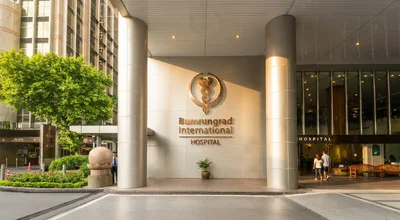
Bumrungrad International Hospital
Tertiary hospital with over 1,200 physicians treating 520,000+ international patients a year.
View hospital profile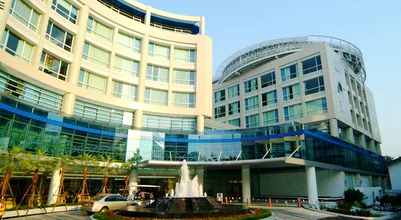
Bangkok Hospital
BDMS flagship tertiary campus with standalone heart, cancer, and neuro-orthopaedic hospitals.
View hospital profile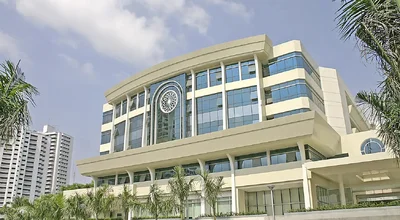
Samitivej Sukhumvit Hospital
Tertiary hospital known for paediatrics, home to Thailand's first private children's hospital.
View hospital profile
Tell Us What You Need. We Do the Rest.
Share what you're considering and we'll come back with surgeon options, pricing, and a clear plan.
- Real hospital pricing with zero markup
- Matched with a specialist experienced in your specific procedure
- Full coordination from consultation to recovery


Trusted by patients worldwide
The complete guide to Lymphoedema Surgery in Thailand
Everything below is for readers who want the full detail: costs broken down, types and techniques, recovery, risks and safety, and planning your trip.
Lymphoedema Surgeons & Clinics in Thailand
Lymphoedema microsurgery is a niche specialty. The surgeon's supermicrosurgical skill is the single most important factor in your outcome.
Leading Hospitals in Bangkok
Our partner hospitals are JCI-accredited with dedicated microsurgery suites equipped with high-powered operating microscopes, microsurgical instruments, and ICG imaging for pre- and intra-operative lymphatic mapping. These are full-scale hospitals with complete surgical backup, not standalone clinics.
Fellowship-Trained Microsurgeons
Our partner surgeons hold fellowship training in microsurgery and have specific expertise in lymphoedema surgery: LVA, VLNT, and debulking. Many trained at leading lymphoedema centres in Japan, South Korea, or the US where supermicrosurgical techniques were pioneered.
What to Look for in a Surgeon
Verify fellowship training in microsurgery with demonstrated supermicrosurgical capability. Ask about their LVA and VLNT case volume specifically, not general microsurgery volume. Confirm they use ICG lymphography for pre-operative planning. Review before-and-after volume measurements from previous cases, and make sure they set realistic expectations based on your disease stage.
Understanding Your Results
Lymphoedema surgery results are measured in volume reduction, infection frequency, compression dependence, and quality-of-life improvement.
Typical Lymphoedema Surgery Results
LVA and VLNT produce progressive limb volume reduction over three to twelve months as new drainage pathways mature. Many patients report reduced heaviness, fewer cellulitis episodes, and decreased dependence on compression. Liposuction for late-stage disease achieves more immediate volume reduction, though lifelong compression is required.
What Results Can You Expect?
Results depend heavily on disease stage. Patients with early-stage lymphoedema and functioning residual lymphatics achieve the best outcomes from physiological surgery. Late-stage fibrotic disease responds well to debulking but requires ongoing compression management. Your surgeon assesses realistic expectations based on your imaging and staging during consultation.
Lymphoedema Surgery Cost in Thailand
Average Cost of Lymphoedema Surgery
Our partner hospital holds one package for lymphoedema microsurgery, a lymphovenous anastomosis at one to two spots, at ฿322,000 or about $9,471, with two nights in hospital. Read that unit carefully. A spot is a single connection between a lymphatic channel and a nearby vein, so the price covers one or two of them rather than a whole limb's worth. Vascularised lymph node transfer and debulking liposuction are not on the package list and are quoted case by case. This figure comes from a single hospital rather than what Thailand as a whole charges.
Cost Breakdown
The package covers the operating theatre and recovery room, the microsurgical team and anaesthetist, the medicines and supplies used during the operation, and two nights in a standard inpatient room with nursing care and meals. Several things this page previously implied were folded in are not. Your ICG lymphography and other lymphatic imaging are billed separately, as are compression garments and any course of physiotherapy or manual lymphatic drainage after surgery. Our partner hospital's current surgical programme provides a rehabilitation assessment before the operation at no charge, which is an assessment rather than treatment. Coordinator support comes from us and is not a hospital charge.
What Affects the Price?
The published figure is fixed for one to two anastomosis spots, so what moves your quote is how many bypass points your ICG lymphography supports and whether both limbs are involved. Neither of those is published, so both are quoted case by case. The same applies to vascularised lymph node transfer, which adds a donor site and a flap harvest, and to debulking liposuction for late-stage fibrotic limbs. Where a surgeon proposes a staged plan across more than one operation, ask for each stage priced separately rather than a single figure.
Thailand vs International Price Comparison
At about $9,471 the package undercuts the US range of $24,000 to $48,000 by roughly 60 percent, and the UK range of £17,600 to £36,000 by a similar margin. Against Australia, quoted here at A$20,000 to A$40,000, the gap narrows considerably once converted. The saving is real because supermicrosurgery is a premium-priced specialty in Western countries, but it applies to one to two anastomosis spots, not to a whole treatment plan. Imaging, compression garments and post-operative physiotherapy are billed on top here as they are elsewhere. Our partner hospitals use the same microsurgical equipment and suture grades used internationally.
Conservative Therapy vs Lymphoedema Surgery
Complete decongestive therapy, or CDT, is the standard first-line treatment for lymphoedema1 and what surgery is measured against. It combines compression garments or bandaging, manual lymphatic drainage, skin care, and exercise to move fluid out of the limb and hold it down. For many people it controls swelling well, and most are expected to have given it a proper, supervised run before surgery is even considered.
The honest limit is that CDT manages lymphoedema rather than changing the underlying drainage. It is daily, lifelong work, the swelling tends to return if the routine lapses, and in later stages, once firm fibrotic tissue has set into the limb, compression alone no longer shifts it. It also does nothing to reduce the structural cause of recurring cellulitis. None of this is a treatment we provide or arrange; it is the conservative care your home lymphoedema team oversees.
Surgery enters the picture when conservative therapy has been given a fair trial and swelling still progresses, infections keep recurring, or the limb has reached a stage compression cannot reach. LVA and VLNT aim to restore or reroute drainage so you may rely on compression less, while liposuction removes fibrotic tissue that therapy cannot. Imaging decides which route fits, and that is what the rest of this page covers.
Types of Lymphoedema Surgery
The right procedure depends on your lymphoedema stage, the quality of remaining lymphatic channels, and the degree of tissue change. Pre-operative imaging maps what is still functioning and guides the surgical plan.
Lymphovenous Anastomosis (LVA)
A supermicrosurgical technique that connects functioning lymphatic channels directly to nearby venules, creating new drainage routes that bypass the obstruction. Uses vessels as small as 0.3–0.8 mm under high-powered microscopy. Most effective in early to mid-stage disease.
- Minimally invasive with small incisions and rapid recovery
- Relies on functioning lymphatic channels; best for early-stage disease
- Can be performed at multiple sites on the limb in one session
- Best for: ISL stage I–II lymphoedema with patent lymphatics on imaging
Vascularised Lymph Node Transfer (VLNT)
Healthy lymph nodes with their blood supply are harvested from a donor site and transplanted into the affected limb using microsurgical anastomosis. The transferred nodes absorb lymph and stimulate new lymphatic vessel growth over time. Suits patients with more advanced disease or insufficient lymphatics for LVA.
- Transplants a functioning lymphatic unit into the swollen area
- Promotes lymphangiogenesis (new lymphatic vessel formation)
- Donor site options include groin, lateral thoracic, and submental nodes
- Best for: ISL stage II–III lymphoedema or cases where LVA is not feasible
Liposuction for Late-Stage Lymphoedema
In advanced disease, chronic fluid stasis causes irreversible fat deposition and fibrosis that physiological surgery cannot address. Circumferential suction-assisted lipectomy removes this excess tissue and significantly reduces limb volume. Lifelong compression garment wear is mandatory afterwards.
Lymphoedema Surgery Techniques
The choice of technique is driven by imaging findings, specifically whether functioning lymphatic channels remain and how much fibrotic tissue change has occurred. In some patients, combining techniques delivers the best result.
Supermicrosurgical LVA
Under an operating microscope at 20–40x magnification, the surgeon connects individual lymphatic channels (0.3–0.8 mm) directly to subdermal venules. Multiple anastomoses are created across the limb to maximise drainage capacity. The procedure is performed through incisions of just 2–3 cm.
- Vessels as small as 0.3 mm are anastomosed under extreme magnification
- Multiple bypass points created in a single session for cumulative effect
- Minimal tissue disruption; patients typically resume activity within days
- Best for: limbs with functioning lymphatics visible on ICG lymphography
VLNT with Microsurgical Anastomosis
Lymph nodes with their vascular pedicle are harvested from a donor site (commonly groin, lateral thoracic, or submental) and transplanted to the affected limb. The artery and vein of the nodal flap are anastomosed to recipient vessels under microscopy. The transplanted nodes begin absorbing lymph and promoting lymphangiogenesis within weeks.
- Microsurgical transfer of a living lymphatic unit with its blood supply
- Donor site selection minimises risk of donor-site lymphoedema
- Lymphatic improvement continues progressively over three to twelve months
- Best for: moderate to advanced lymphoedema or failed LVA
Circumferential Suction-Assisted Lipectomy
For limbs dominated by fibrotic fat that will not respond to drainage-restoring surgery, power-assisted liposuction removes the excess tissue circumferentially. Significant volume reduction is achievable. The procedure does not restore lymphatic function, so lifelong compression is required to maintain results.
Combined Physiological Surgery (LVA + VLNT)
Some limbs benefit from more than one technique, either in a single operation or staged over time. A common pairing is lymphovenous anastomosis to create immediate bypass drainage alongside a vascularised lymph node transfer that rebuilds lymphatic capacity over the following months. Where firm fibrotic tissue has also set in, debulking liposuction can follow once the drainage-restoring surgery has done its work. The plan is built from your imaging, not a fixed formula.
- Pairs immediate LVA bypass with the longer-term gains of VLNT
- Often staged, guided by volume measurements and imaging at follow-up
- Debulking can be added later once drainage has been maximised
- Best for: more advanced disease, or an incomplete response to a single technique
Lymphoedema Surgery Recovery Timeline
Days 1–2
You rest in hospital with the operated limb elevated and gently compressed. Pain is managed with oral medication and is typically moderate. Your surgeon checks microsurgical connections using bedside monitoring. Light movement is encouraged to promote circulation.
Days 3–7
Swelling is expected and normal at this stage. You begin gentle mobilisation under physiotherapy guidance and are fitted with appropriate compression garments. Most patients are discharged by day four and continue recovery at their accommodation with daily wound checks.
Weeks 2–4
Outpatient follow-up confirms wound healing and monitors early drainage improvement. Manual lymphatic drainage therapy resumes gently around week two. Sutures are removed and your surgeon assesses initial response. Activity gradually increases.
Weeks 4–12
Lymphatic drainage continues to improve as new pathways mature, particularly after VLNT, where lymphangiogenesis takes several months. Limb volume reduction is measured at follow-up. Compression therapy and exercise are maintained. Maximum benefit is typically seen between three and twelve months.
When Can You Fly After Lymphoedema Surgery?
Most patients are cleared to fly 10–14 days after surgery, once wound healing is established and early recovery is on track. Wear your compression garment throughout the flight, stay well hydrated, and move regularly during the flight. Elevation of the operated limb during the flight helps manage swelling from the reduced cabin pressure and prolonged sitting.
When Can You Return to Work and Exercise?
Desk work can typically resume within one to two weeks after LVA, or two to three weeks after VLNT, depending on the donor site. Light walking is encouraged from day one. Avoid driving until you are off prescription pain medication and can perform an emergency stop comfortably with the operated limb, usually around one to two weeks after LVA and a little longer after VLNT, and only once your surgeon agrees. Structured exercise and manual lymphatic drainage resume gradually under guidance from your physiotherapist. Heavy lifting and intense exercise should wait until your surgeon confirms adequate healing, usually four to six weeks post-operatively.
When Will You See Final Results?
Improvement is progressive rather than immediate. Some patients notice reduced heaviness and softening within weeks, but measurable volume reduction typically becomes apparent over three to six months as new lymphatic pathways mature. After VLNT, lymphangiogenesis continues for up to twelve months. Maximum benefit is usually reached between six and twelve months post-surgery.
Anaesthesia for Lymphoedema Surgery
Lymphoedema microsurgery is performed under general anaesthesia, so you are fully asleep and feel nothing throughout. These are long, precise operations, often three to six hours, and a consultant anaesthetist stays with you for the whole procedure, monitoring your breathing, heart, and fluid balance continuously. That constant supervision is standard at the accredited hospitals we work with.
Because this is major surgery and many patients have a history of cancer treatment, you have a formal pre-operative assessment before you are cleared. This typically includes blood tests, coagulation studies, and cardiac or respiratory review where your history calls for it, alongside the lymphatic imaging that guides the surgical plan. The anaesthetist reviews your medications and any previous treatment so the plan is built around you.
You feel nothing during the operation itself. Afterwards, discomfort is usually mild to moderate and well controlled with the medication your surgeon prescribes. LVA involves only small incisions, so most people report little more than soreness, while VLNT adds a donor site and tends to feel sorer in two areas for the first week. Pain settles steadily as you recover.
Risks and Safety of Lymphoedema Surgery
Lymphoedema microsurgery is a specialised but well-tolerated group of procedures. Serious complications are uncommon, though results vary by disease stage.
- Surgical site infection (uncommon with proper wound care)
- Seroma or haematoma at the operative site
- Lymphocele, a collection of lymph fluid at the LVA site or the VLNT donor site, which may need drainage
- Donor-site lymphoedema after VLNT (rare with modern donor-site selection)4
- Chyle leak when a submental or lateral thoracic donor site is used for VLNT
- Temporary numbness around incision sites
- Incomplete improvement in limb volume
- Microsurgical anastomosis failure of the LVA or nodal flap (rare in experienced hands)
- Partial or complete flap failure or flap necrosis after VLNT, a more serious complication that needs urgent surgical revision
The most important variable in outcome is disease stage. Early-stage lymphoedema responds better to physiological surgery. Late-stage fibrotic disease responds to debulking but not drainage restoration. Setting accurate expectations based on staging and imaging findings is a core part of the consultation process.
Is Lymphoedema Surgery Safe in Thailand?
Yes. Our partner hospitals are JCI-accredited with dedicated microsurgery suites, high-powered operating microscopes, and experienced microsurgical teams. Surgeons are fellowship-trained in microsurgery and lymphoedema surgery specifically. Infection rates and complication profiles match published data from international lymphoedema centres.
How to Reduce Risks
Choose a surgeon with documented supermicrosurgical training and a track record of LVA and VLNT procedures. Insist on pre-operative ICG lymphography to map functional lymphatics. Operating without this imaging reduces the chances of a successful outcome. Continue compression therapy and manual lymphatic drainage before and after surgery. For VLNT, discuss donor-site selection carefully to minimise the risk of secondary lymphoedema.
When Might Further Surgery Be Needed?
Some patients benefit from staged procedures. For example, LVA followed by VLNT if the initial response is incomplete, or debulking after physiological surgery has maximised drainage improvement. Repeat LVA at additional sites can also be performed. The approach is guided by objective volume measurements and imaging at follow-up.
Planning Your Trip to Thailand for Lymphoedema Surgery
Most patients need 10–14 days in Thailand. Here is how to structure the trip.
How Long to Stay in Thailand
Plan for 10–14 days. Pre-operative lymphatic imaging and consultation take one to two days. Surgery and the hospital stay are two to four days. The remainder covers outpatient wound care, compression garment fitting, initial physiotherapy, and a follow-up appointment before your surgeon clears you to fly.
What Is Included in a Medical Trip
Your care coordinator manages hospital transfers, surgery scheduling, and all appointments. The hospital package covers the microsurgical team and anaesthetist, the operating theatre, the medicines and supplies used during surgery, and two nights in a standard room. Your lymphatic imaging, compression garments and any post-operative physiotherapy are billed separately, as are flights and accommodation, which are arranged separately with hotel recommendations near your hospital.
Recovery in Bangkok
Stay in Bangkok for the full recovery period. Proximity to your hospital matters for wound monitoring and compression garment adjustments. Recovery is relatively gentle; most patients are mobile within a few days and can manage short outings while maintaining elevation and compression routines.
Related Procedures
Other procedures that address similar goals or conditions, in case one of them is a closer fit for you.
Planning your treatment in Thailand
Independent guides to help you weigh the decision, before you commit to anything.
Common Questions About Lymphoedema Surgery
Everything you need to know before your procedure

Medical References
Keep researching with AI
Open this guide in your AI assistant to dig deeper and ask the questions it didn't answer.
Opens in a new tab with this guide already loaded.
Medical disclaimer: Content on this site is provided for informational purposes and should not be treated as medical advice. Outcomes, timelines, and eligibility differ from person to person. Consult a qualified medical professional before making any decisions about surgery or treatment.
Ready to Get Started?
Speak with our care team for a free consultation and personalised quote.
Speak to Our Team