Aneurysm Repair in Thailand Your guide to cost, top specialists & hospitals
An aneurysm that is found before it ruptures is a problem that can be solved. Planned repair eliminates the threat.
What Is Aneurysm Repair?
Also known as: Aneurysm Surgery · Endovascular · Open Aneurysm Repair
Aneurysm repair is vascular surgery that takes a weakened, ballooning section of artery out of the line of pressure, either by lining it with a stent graft from inside or replacing it with a synthetic graft. An aneurysm is a bulge where the arterial wall thins, most often in the aorta, the body's main artery, so it can no longer keep growing or burst. Endovascular repair threads a stent graft up through small groin incisions; open repair sews a graft directly in. Both usually take two to five hours under general anaesthesia.
Being told you are carrying an aneurysm is unsettling, and the waiting can feel worse than the surgery. Repairing it before it ruptures turns an unpredictable threat into a planned operation. Your surgeon studies your own CT scans and recommends the route that fits you.
Elective repair has strong outcomes in experienced hands, but it is major surgery, so your individual risk is assessed carefully. The heart is checked closely, since many people with aneurysms also have coronary disease. Your vascular surgeon confirms the right route once your imaging is complete.
It can address a range of concerns, including:
Am I a Good Candidate for Aneurysm Repair?
Candidacy for elective aneurysm repair is decided by measurements, cardiac fitness, and timing rather than by symptoms alone.
Elective repair is triggered by measurements, because rupture risk rises with diameter and growth rate.
Threshold diameter: An abdominal aortic aneurysm reaching 5.5 cm generally meets the criteria for elective repair.
Rapid growth counts too: An aneurysm enlarging quickly on surveillance imaging can justify repair before it reaches the size threshold.
Anatomy guides the method: CT angiography with 3D reconstruction determines whether EVAR, open repair, or a fenestrated device suits your aorta. A stable aneurysm below the thresholds is usually watched, not operated on.
Connective tissue disorders change the plan: Marfan syndrome and vascular Ehlers-Danlos (type IV) weaken the whole aortic wall, so they often call for open repair rather than EVAR, lower size thresholds, and lifelong aortic surveillance. Repair in these patients belongs at a specialist aortic centre.
Cardiac fitness determines surgical risk more than the aneurysm itself, so the workup is thorough.
Cardiac assessment first: Many aneurysm patients have concurrent coronary artery disease. Echocardiography and stress testing are completed where indicated before surgery is booked.
Uncorrected heart disease delays repair: Significant coronary disease sharply raises operative risk and is optimised before the aorta is touched.
Kidney function matters for EVAR: Severe contrast allergy or advanced kidney impairment complicates the imaging that endovascular repair depends on, and shapes the choice of approach.
Lungs and frailty steer the choice: Severe COPD, poor lung function, or significant frailty and weak functional status make a large open operation hazardous, and are a common reason a patient is offered the lower-stress EVAR route instead.
A hostile abdomen favours EVAR: Multiple previous abdominal operations creating dense adhesions make open repair difficult and higher risk, and often shift a suitable candidate toward an endovascular approach.
Modifiable risks are dealt with before the operation, not after it.
Smoking stopped: At least four weeks smoke-free before surgery is the standard at our partner hospitals.
Blood pressure controlled: Uncontrolled hypertension threatens the aortic anastomosis and the graft seal, so it is brought under control first.
No active infection: Infection anywhere in the body could seed the synthetic or stent graft and must be fully cleared before repair.
Repair is not the end of the relationship with your vascular team, particularly after EVAR.
Lifelong imaging after EVAR: Surveillance CT at one month, six months, twelve months and then annually checks the graft for endoleak.
Open repair trades recovery for freedom: It means a longer convalescence, but routine surveillance imaging is generally not needed afterwards.
Follow-up is part of candidacy: Surgeons look for patients genuinely committed to post-operative surveillance and follow-up imaging before offering repair.
Who is not suitable for aneurysm repair?
- Significant uncorrected coronary artery disease, until assessed and treated
- Active infection anywhere in the body, until fully cleared
- Uncontrolled hypertension, until brought under control
- Severe contrast allergy or advanced kidney impairment not yet discussed for EVAR planning
- Smoking within four weeks of surgery
- Severe COPD, poor lung function, or significant frailty, which may rule out open repair and point toward EVAR instead
- A hostile abdomen from multiple prior abdominal operations, which makes open repair high-risk and usually favours an endovascular approach
- Marfan syndrome or vascular Ehlers-Danlos, which need specialist aortic planning and usually open repair rather than standard EVAR
- Stable aneurysm below intervention thresholds, where surveillance is the right plan
Pricing
How Much Will Aneurysm Repair Cost in Thailand?
What aneurysm repair costs at accredited hospitals in Thailand, and what your final quote depends on.
Get your exact price
Tell us what you're considering and we'll send a personalised quote from accredited hospitals within 24 hours.
Get my free quoteTypical prices in Thailand
Typical ranges based on recent hospital quotes. Your exact price depends on the hospital and how complex your case is, and is confirmed at your teleconsultation.
Aneurysm Repair
The ballooning section of artery is taken out of the line of pressure, either lined from inside with a stent graft or replaced with a synthetic tube.
| Endovascular aneurysm repair (EVAR) 3 to 4 nights Stent graft delivered through the femoral artery, no abdominal incision, for infrarenal aneurysms with suitable anatomy | $10,000 to $13,000 ฿340,000 to ฿442,000 |
| Fenestrated or branched EVAR 3 to 7 nights Custom-made stent graft with openings that preserve branch flow, for aneurysms reaching the renal or visceral arteries | $15,000 to $18,000 ฿510,000 to ฿612,000 |
| Open surgical aneurysm repair 5 to 7 nights Synthetic graft sewn into the aorta through an abdominal incision, for anatomy unsuitable for a stent graft | $13,000 to $16,000 ฿442,000 to ฿544,000 |
Typically not included
- Any further procedure to seal an endoleak or correct a graft problem picked up on a later scan
- Treatment of coronary disease your pre-operative cardiac workup uncovers, such as stenting, dealt with before the aorta
- The lifelong surveillance scans that follow an endovascular repair, arranged through your own doctors once you are home
- Intensive care or ward nights beyond the three to seven in your quoted package
- Blood products, if bleeding during the operation is heavier than expected and transfusion is needed
Get your exact price
Tell us what you're considering and we'll send a personalised quote from accredited hospitals within 24 hours.
Hospitals Trusted for Aneurysm Repair
From internationally accredited flagships to dedicated specialist hospitals, these are the kinds of facilities where international patients have this procedure.
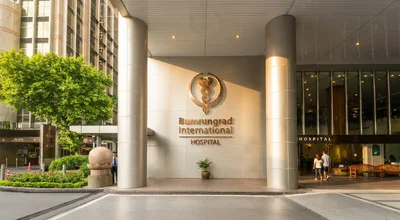
Bumrungrad International Hospital
Tertiary hospital with over 1,200 physicians treating 520,000+ international patients a year.
View hospital profile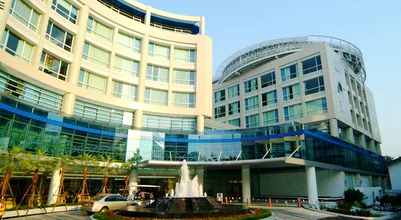
Bangkok Hospital
BDMS flagship tertiary campus with standalone heart, cancer, and neuro-orthopaedic hospitals.
View hospital profile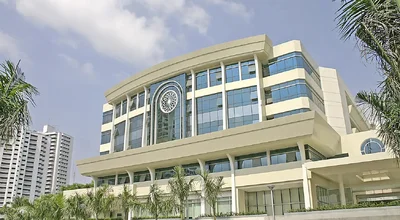
Samitivej Sukhumvit Hospital
Tertiary hospital known for paediatrics, home to Thailand's first private children's hospital.
View hospital profile
Tell Us What You Need. We Do the Rest.
Share what you're considering and we'll come back with surgeon options, pricing, and a clear plan.
- Real hospital pricing with zero markup
- Matched with a specialist experienced in your specific procedure
- Full coordination from consultation to recovery


Trusted by patients worldwide
The complete guide to Aneurysm Repair in Thailand
Everything below is for readers who want the full detail: costs broken down, types and techniques, recovery, risks and safety, and planning your trip.
Aneurysm Repair Surgeons & Hospitals in Thailand
Aortic surgery is high-stakes vascular work. The surgeon's aortic case volume and the hospital's infrastructure are the deciding factors.
Leading Hospitals in Bangkok
Our partner hospitals have dedicated vascular surgery departments with hybrid operating theatres (combined open and endovascular capability), in-house ICU, interventional radiology, and cardiac surgery backup. They handle the full spectrum of aortic surgery, from standard infrarenal AAA to complex thoracoabdominal repair.
Experienced Vascular Surgeons
Our partner surgeons hold board certification in vascular surgery with experience in both EVAR and open aortic repair. Many have trained at major international vascular centres. Dual competence in endovascular and open techniques ensures the recommendation is based on what is best for your anatomy, not what the surgeon is limited to.
What to Look for in a Surgeon
Ask about annual aortic case volume; this is the most important predictor of good outcomes. Verify that the surgeon can perform both EVAR and open repair. A surgeon limited to one approach cannot objectively recommend the best option. Check that the hospital has cardiac surgery capability in case of intraoperative complication.
Understanding Your Results
Aneurysm repair results are measured by survival, graft patency, and long-term exclusion of the aneurysm from the circulation.
Typical Aneurysm Repair Results
Elective repair has strong outcomes in experienced centres, with the minimally invasive EVAR route generally carrying lower operative risk than open repair. Five-year survival after successful repair is comparable to age-matched populations without aneurysm. The aneurysm sac typically shrinks over time after successful exclusion. Graft durability is excellent with both techniques.
What Results Can You Expect?
Elimination of rupture risk is the primary goal. For EVAR, ongoing surveillance confirms the graft remains sealed. For open repair, the synthetic graft lasts a lifetime and routine CT surveillance is generally not needed, though periodic clinical review continues and imaging is used if new symptoms or an anastomotic problem are suspected. Quality of life returns to normal within weeks (EVAR) or months (open repair).
Aneurysm Repair Cost in Thailand
Average Cost of Aneurysm Repair
Aneurysm repair in Thailand typically costs between $10,000 and $18,000. EVAR with a standard stent graft sits at the lower end of this range. Open repair costs less in device terms but involves longer ICU and hospital stay. Fenestrated or branched devices sit at the upper end due to custom manufacturing.
Cost Breakdown
The total covers the vascular surgeon's fee, anaesthesia, operating theatre, ICU and ward stay, the stent graft or synthetic graft, CT angiography with 3D planning, pre-operative cardiac assessment, post-operative medications, follow-up imaging, and care coordination.
What Affects the Price?
The stent graft device is the largest single cost component for EVAR. Branded devices from Cook, Medtronic, or Gore carry significant expense. Open repair costs less for materials but more for ICU stay. Fenestrated and branched devices are custom-manufactured and add substantially. The length of ICU stay also influences the total.
Thailand vs International Price Comparison
Aneurysm repair in Thailand costs 50–70% less than equivalent procedures in the US ($30,000–$60,000), Australia (A$25,000–A$50,000), and UK (£22,000–£45,000). For a procedure involving expensive grafts and ICU stay, the absolute savings are among the largest of any medical tourism procedure.
Active Surveillance vs Aneurysm Repair
Not every aneurysm needs surgery straight away. For a small abdominal aortic aneurysm, typically below around 5.5 cm in diameter and not growing quickly, the recognised approach is active surveillance: regular ultrasound or CT scans to track the size over time, alongside controlling blood pressure, stopping smoking, and taking a statin to slow the rate of growth. Below the size threshold, the risk of rupture is low enough that careful monitoring is usually considered safer than operating.
Surveillance manages the aneurysm; it does not remove it. The bulge remains in the artery and tends to enlarge gradually, so monitoring is a holding strategy rather than a cure, and it depends on keeping every scan appointment. Once an aneurysm reaches the size threshold, is growing rapidly, or starts causing symptoms such as persistent back or abdominal pain, watchful waiting is no longer the safer option and the balance shifts toward repair.
At that point, repair is the step that actually takes the weakened segment out of the line of pressure and eliminates the rupture risk, whether by endovascular (EVAR) or open surgery. That is the route the rest of this page covers. If you are currently under surveillance and your aneurysm has reached the point where intervention is being discussed, a vascular surgeon can review your imaging and advise which repair suits your anatomy.
Types of Aneurysm Repair
The two main approaches, endovascular and open, offer different trade-offs between invasiveness, recovery time, and long-term durability. Your vascular surgeon recommends based on anatomy and fitness.
EVAR (Endovascular Aneurysm Repair)
A stent graft is delivered through small groin incisions, guided under fluoroscopy into the aneurysm, and deployed to line the weakened segment from within. Less invasive than open repair with shorter hospital stay and faster recovery. Requires lifelong surveillance imaging to confirm graft integrity.
Open Surgical Repair
Through an abdominal or thoracic incision, the surgeon clamps the aorta, opens the aneurysm sac, and sews a synthetic Dacron graft directly in place. The most durable repair, with routine CT surveillance generally not needed, though periodic clinical review and imaging if new symptoms arise are still advised. Used when anatomy is unsuitable for EVAR or in younger patients seeking a lasting single-procedure solution.
- Extremely durable graft with the strongest long-term outcome data
- Routine CT surveillance generally not needed, though periodic clinical review continues
- Definitive single-procedure repair for suitable patients
- Best for: younger patients, complex anatomy, or those wanting to avoid lifelong imaging
Fenestrated / Branched EVAR
Custom-manufactured stent grafts with precisely placed openings preserve blood flow to the kidneys, intestines, or other branch arteries arising from the aneurysm segment. This extends EVAR to complex aneurysms previously treatable only by open surgery. Available at Thailand's leading vascular centres.
- Custom-designed graft matched to individual anatomy
- Maintains perfusion to renal and visceral branch arteries
- Avoids the physiological stress of major open surgery
- Best for: juxtarenal, suprarenal, or thoracoabdominal aneurysms unsuitable for standard EVAR
Aneurysm Repair Techniques
Technique is determined by the aneurysm's anatomy and your fitness for surgery. Both EVAR and open repair are well-established with extensive outcome data.
Standard EVAR Technique
The stent graft is introduced through femoral artery access in the groins. Fluoroscopic guidance positions the graft precisely within the aneurysm. Once deployed, the graft channels blood through its interior, depressurising the aneurysm sac and eliminating rupture risk. The procedure typically takes two to three hours.
- Femoral artery access through small groin incisions or punctures
- Real-time fluoroscopic guidance for precise graft deployment
- Completion angiography confirms seal and excludes endoleak
- Best for: infrarenal aortic aneurysms with suitable neck anatomy for graft fixation
Open Aortic Graft Replacement
A midline or transverse abdominal incision provides direct access to the aorta. The vessel is clamped above and below the aneurysm, the sac is opened, and a synthetic tube or bifurcated graft is sewn in place. The aneurysm wall is closed over the graft for protection. The most durable repair available.
- Direct aortic exposure through abdominal incision
- Synthetic Dacron or PTFE graft sutured in place
- Aneurysm wall wrapped over the graft for reinforcement
- Best for: complex anatomy, younger patients, or where EVAR anatomy is unsuitable
Hybrid and Complex Aortic Repair
Combines open surgical debranching of visceral arteries with endovascular graft placement. Used for thoracoabdominal aneurysms or complex anatomy where neither pure open nor pure endovascular approach is optimal. Performed at Thailand's most advanced vascular centres by experienced hybrid teams.
- Combines open debranching with endovascular grafting
- Reduces the physiological impact of fully open thoracoabdominal repair
- Requires experienced hybrid vascular surgical teams
- Best for: thoracoabdominal aneurysms or complex anatomy requiring combined approach
TEVAR (Thoracic Endovascular Aortic Repair)
TEVAR is the endovascular treatment for aneurysms of the thoracic aorta, the section running through the chest. A stent graft is delivered through the femoral artery in the groin and positioned under fluoroscopic guidance to line the weakened segment, in the same minimally invasive way as EVAR but higher up the aorta. It has largely replaced open chest surgery for suitable descending thoracic aneurysms, with a shorter recovery and far less physiological stress.
- Treats thoracic (chest) aortic aneurysms rather than abdominal ones
- Delivered through the groin, avoiding open chest surgery for suitable anatomy
- Requires lifelong surveillance CT to monitor for endoleak, as with EVAR
- Best for: descending thoracic aortic aneurysms with suitable landing-zone anatomy
Aneurysm Repair Recovery Timeline
Days 1–2
EVAR patients may mobilise within hours. Open repair patients wake in intensive care with arterial monitoring, IV pain relief, and close observation of renal function and distal pulses. Leg exercises begin immediately to maintain circulation.
Days 3–7
You progress to the vascular ward with increasing mobility. A completion CT angiogram confirms graft position and excludes endoleak. Diet advances and pain transitions to oral medication. Wound care and breathing exercises prevent post-operative complications.
Weeks 2–4
After discharge you recuperate at your Bangkok accommodation with outpatient follow-up. Walking distance increases daily. Heavy lifting and straining are avoided. EVAR patients resume light activities within two weeks. Open repair patients require longer convalescence.
Weeks 6–12
Most patients return to normal daily activities by six to eight weeks. Open repair patients may need twelve weeks for full abdominal wall recovery3. Final imaging and surgical review confirm readiness for travel. Long-term surveillance planning is established.
When Can You Fly After Aneurysm Repair?
EVAR patients are usually cleared to fly within ten to fourteen days. Open repair patients may need fourteen to twenty-one days. A follow-up CT angiogram must confirm stable graft position before clearance. Compression stockings, adequate hydration, and regular movement during the flight are recommended.
When Can You Return to Work and Exercise?
Desk work at four to six weeks for EVAR, six to eight weeks for open repair. Light walking begins in hospital. Heavy lifting should wait eight to twelve weeks after open repair. Cardiovascular risk factor management (smoking cessation, blood pressure control, statin therapy) is essential for long-term graft health.
When Will You See Final Results?
The aneurysm is excluded from the circulation at the time of surgery. For EVAR, surveillance CT at one month, six months, twelve months, then annually confirms graft integrity and excludes endoleak. For open repair, long-term imaging is generally not needed unless symptoms develop.
Anaesthesia for Aneurysm Repair
Aneurysm repair is major surgery, and both open repair and most endovascular cases are performed under general anaesthesia, so you are fully asleep and feel nothing throughout. A consultant anaesthetist is present for the whole operation and monitors your heart, blood pressure, breathing, and circulation continuously, which is standard practice at the accredited hospitals we work with. Working on the aorta makes that close, moment-to-moment monitoring particularly important.
Some endovascular (EVAR) cases can be done under regional or local anaesthesia with sedation rather than full general anaesthesia, where you are relaxed and pain-free but not fully under. Which approach is used depends on your anatomy, the planned technique, and your fitness, and it is a decision your surgeon and anaesthetist make together for your specific case.
Because many people with an aneurysm also have heart disease, the pre-operative assessment is thorough and matters as much as the surgery itself. It usually includes blood tests, a review of your medications, and cardiac and respiratory evaluation, with echocardiography or stress testing where indicated, to confirm you are fit for anaesthesia. You feel nothing during the procedure. Afterwards, EVAR patients tend to have only groin soreness for a few days, while open repair brings more significant abdominal discomfort that is controlled with an epidural or IV pain relief and eases steadily over the first couple of weeks.
Risks and Safety of Aneurysm Repair
Aneurysm repair is major vascular surgery. Elective outcomes are strong in experienced centres, and the minimally invasive EVAR route generally carries a lower operative risk than open repair2. The procedure involves working on the aorta, and risks must be understood.
- Bleeding requiring transfusion (inherent to aortic surgery)
- Endoleak after EVAR (incomplete aneurysm exclusion requiring surveillance or re-intervention)
- Renal impairment from contrast dye or aortic clamping
- Wound or graft infection (uncommon)
- Lower limb ischaemia from graft limb occlusion (rare)
- Bowel (colonic) ischaemia, a loss of blood supply to part of the large intestine, if inferior mesenteric artery flow is interrupted during open AAA repair3
- Sexual dysfunction in men, including problems getting or keeping an erection, from autonomic nerve injury near the infrarenal aorta after open AAA repair3, and much less common with EVAR
- Spinal cord ischaemia causing leg weakness (rare, mainly thoracoabdominal repair)
- Cardiac complications in patients with coronary artery disease
The most important pre-operative step is cardiac assessment. Many aneurysm patients have concurrent coronary artery disease, and cardiac fitness determines surgical risk. Thorough pre-operative evaluation, including echocardiography and stress testing where indicated, is standard at our partner hospitals.
Is Aneurysm Repair Safe in Thailand?
Yes, at the right hospital. Our partner vascular centres are JCI-accredited with experienced vascular surgical teams, hybrid operating theatres, and in-house ICU. Elective AAA repair has strong outcomes at experienced vascular centres, with EVAR generally a less invasive, lower-risk route than open repair.
How to Reduce Your Risk
Choose a JCI-accredited hospital with a dedicated vascular surgery unit, not a cardiac centre handling occasional aortic cases. Verify your surgeon's aortic case volume. Complete the full pre-operative cardiac workup: echocardiography, stress testing, and coronary assessment where indicated. Stop smoking at least four weeks before surgery.
EVAR vs Open Repair, Which Is Right?
EVAR offers faster recovery and shorter hospital stay but requires suitable anatomy and lifelong imaging surveillance. Open repair is more durable and avoids ongoing imaging but involves a larger operation and longer recovery. Younger patients may prefer the durability of open repair. Older or less fit patients benefit from the lower physiological impact of EVAR.
Planning Your Trip to Thailand for Aneurysm Repair
Most patients need fourteen to twenty-one days in Thailand. Here is how to plan effectively.
How Long to Stay in Thailand
Fourteen to twenty-one days covers pre-operative assessment (CT angiography, cardiac evaluation), surgery, hospital recovery, and follow-up CT to confirm graft position. EVAR patients may need the shorter end of this range. Open repair patients should plan for the full three weeks.
What's Included in a Medical Trip
Your care coordinator arranges all imaging, cardiac workup, surgery scheduling, and follow-up. The quote covers surgeon fees, anaesthesia, ICU and ward stay, stent graft or synthetic graft, imaging, medications, and aftercare. Flights and accommodation are separate.
Recovery in Bangkok vs Phuket
Bangkok is essential. Aortic surgery requires proximity to the vascular team for follow-up imaging, wound care, and any complication assessment. This is major surgery; being close to the hospital is non-negotiable during the recovery period.
Related Procedures
Other procedures that address similar goals or conditions, in case one of them is a closer fit for you.
Planning your treatment in Thailand
Independent guides to help you weigh the decision, before you commit to anything.
Common Questions About Aneurysm Repair
Everything you need to know before your procedure

Medical References
Keep researching with AI
Open this guide in your AI assistant to dig deeper and ask the questions it didn't answer.
Opens in a new tab with this guide already loaded.
Medical disclaimer: Content on this site is provided for informational purposes and should not be treated as medical advice. Outcomes, timelines, and eligibility differ from person to person. Consult a qualified medical professional before making any decisions about surgery or treatment.
Ready to Get Started?
Speak with our care coordinators for a free, no-obligation consultation and personalised quote.
Speak to Our Team