AV Fistula Creation in Thailand Your guide to cost, top specialists & hospitals
Good dialysis access changes the quality of every session. A well-placed fistula is the best start.
What Is AV Fistula Creation?
Also known as: Dialysis Access Surgery · Arteriovenous Fistula Formation
AV fistula creation is vascular surgery that builds long-term access for haemodialysis by joining an artery directly to a vein, usually at the wrist or upper arm. Over the following weeks the higher arterial pressure thickens and enlarges the vein, a process called maturation, until it can take the repeated needling dialysis requires. The operation is short, often one to two hours under local or regional anaesthesia. A native fistula usually lasts longer and resists infection better than a catheter or synthetic graft.3,1
If you are facing dialysis, surgery on your arm can feel like one more thing on a long list. This is one of the gentler procedures, done while you are awake but pain-free, and you usually go home the same day. Your surgeon maps both arms with ultrasound first to choose the site that suits you.
The surgery is not the uncertain part, maturation is. A fistula cannot be used straight away, and for some people the vein does not develop enough first time. If that happens there are next steps, from a balloon procedure to a different site, which your surgeon discusses beforehand.
It can address a range of concerns, including:
Am I a Good Candidate for AV Fistula Creation?
Good fistula candidates are defined by vessel quality on duplex mapping and a realistic timeline for maturation.
Duplex mapping of both arms decides where, and whether, a native fistula can be built.
Minimum vessel sizes: A cephalic vein of around 2.5 mm and an artery of 2.0 mm are generally needed for a successful wrist fistula.
Both arms mapped: The surgeon aims for the most distal suitable site, preserving upper-arm vessels for future access if ever needed.
Damaged veins change the plan: Years of cannulation, IV lines, or PICC lines can rule out a native fistula; a synthetic AV graft becomes the fallback when veins in both arms are unsuitable.
The fistula needs a head start, because it cannot be used the day it is made.
Current or anticipated dialysis: Candidates are approaching haemodialysis, already dialysing through a catheter, replacing failed access, or moving across from peritoneal dialysis.
Four to eight weeks to mature: Native fistulae need this window before first cannulation; AV grafts may be ready in a few weeks.
A catheter bridges the gap: If you dialyse through a central venous catheter, it stays in use while the fistula develops, then comes out once your dialysis team confirms the fistula is ready.
A short list of conditions needs review before the anastomosis is created.
Heart function checked: In severe heart failure, the extra flow a fistula carries can destabilise cardiac output, so cardiac stability is reviewed first.
Access-arm circulation: Significant peripheral artery disease in the planned arm raises the risk of steal syndrome and is assessed before the site is chosen.
Skin clear at the site: Any active infection or cellulitis at the planned anastomosis site is fully treated before surgery.
The operation is the easy part; maturation is the uncertainty surgeons plan around.
Non-maturation is common: A proportion of wrist fistulae do not develop adequately, which is why contingencies are discussed before the first procedure.
Salvage options exist: Balloon angioplasty, a new fistula at a more proximal site, or an AV graft can rescue or replace access that fails to mature.
Your part matters: Hand exercises with a soft ball promote maturation, and protecting the arm from blood pressure cuffs, blood draws, and tight clothing protects the result.
Who is not suitable for av fistula creation?
- Severe heart failure, until cardiac stability is reviewed
- Active skin infection or cellulitis at the planned access site
- Significant peripheral artery disease in the access arm, until steal risk is assessed
- Veins in both arms too damaged for a native fistula (an AV graft may be offered instead)
Pricing
How Much Will AV Fistula Creation Cost in Thailand?
What av fistula creation costs at accredited hospitals in Thailand, and what your final quote depends on.
Get your exact price
Tell us what you're considering and we'll send a personalised quote from accredited hospitals within 24 hours.
Get my free quoteTypical prices in Thailand
Typical ranges based on recent hospital quotes. Your exact price depends on the hospital and how complex your case is, and is confirmed at your teleconsultation.
AV Fistula Creation
An artery is joined directly to a nearby vein so that vein enlarges over the following weeks into a strong channel the dialysis needles can reach.
| Radiocephalic fistula (wrist) 0 to 1 nights Wrist-level join between radial artery and cephalic vein, the first-choice site | $2,500 to $3,000 ฿85,000 to ฿102,000 |
| Brachiocephalic fistula (upper arm) 0 to 1 nights Upper-arm join near the elbow, used when the wrist vessels are unsuitable | $3,000 to $3,600 ฿102,000 to ฿122,400 |
| AV graft (synthetic bridge) 0 to 1 nights A PTFE tube bridges artery and vein when native veins are inadequate in both arms | $3,500 to $4,500 ฿119,000 to ฿153,000 |
Typically not included
- Salvage or revision if the fistula fails to mature (angioplasty, a new fistula higher up, or a graft), known only once maturation is assessed
- The dialysis sessions you need during your stay
- Cardiac or other specialist clearance if your pre-operative work-up flags a problem needing review
- Treatment of a complication such as steal syndrome or arm swelling that needs a further procedure
Get your exact price
Tell us what you're considering and we'll send a personalised quote from accredited hospitals within 24 hours.
Hospitals Trusted for AV Fistula Creation
From internationally accredited flagships to dedicated specialist hospitals, these are the kinds of facilities where international patients have this procedure.
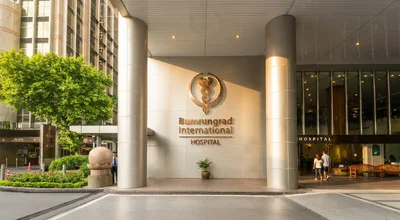
Bumrungrad International Hospital
Tertiary hospital with over 1,200 physicians treating 520,000+ international patients a year.
View hospital profile
Bangkok Hospital
BDMS flagship tertiary campus with standalone heart, cancer, and neuro-orthopaedic hospitals.
View hospital profile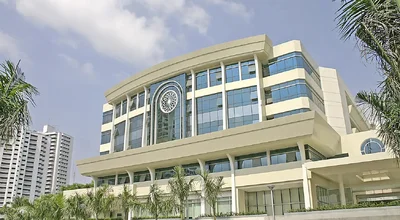
Samitivej Sukhumvit Hospital
Tertiary hospital known for paediatrics, home to Thailand's first private children's hospital.
View hospital profile
Tell Us What You Need. We Do the Rest.
Share what you're considering and we'll come back with surgeon options, pricing, and a clear plan.
- Real hospital pricing with zero markup
- Matched with a specialist experienced in your specific procedure
- Full coordination from consultation to recovery


Trusted by patients worldwide
The complete guide to AV Fistula Creation in Thailand
Everything below is for readers who want the full detail: costs broken down, types and techniques, recovery, risks and safety, and planning your trip.
AV Fistula Surgeons & Hospitals in Thailand
AV fistula creation requires vascular surgical skill and thorough pre-operative duplex assessment. Volume and maturation rates are the key metrics.
Leading Hospitals in Bangkok
Our partner hospitals have dedicated vascular departments with duplex ultrasound capability and experienced vascular access surgeons. They handle the full spectrum of dialysis access (native fistula creation, AV grafts, and revision procedures) at consistent volume.
Experienced Vascular Access Surgeons
Our partner surgeons hold board certification in vascular surgery with experience in dialysis access creation and salvage. They perform their own duplex mapping. The same surgeon who assesses your vessels is the one who creates the fistula, ensuring continuity of planning and execution.
What to Look for in a Surgeon
Ask about primary maturation rates; this is the most meaningful outcome metric for fistula surgery. Verify that duplex vein mapping is performed pre-operatively. Check that the surgeon has experience with both native fistula and AV graft placement, and can offer salvage options if maturation fails.
Understanding Your Results
AV fistula results are measured by maturation success, dialysis adequacy, and long-term patency.
Typical AV Fistula Results
A well-functioning native AV fistula provides reliable dialysis access for years, often a decade or more with proper care.1,2 Most radiocephalic fistulae mature successfully, with brachiocephalic fistulae maturing more reliably again because their larger vessels develop more dependably. AV grafts provide reliable shorter-term access of two to three years.4,2 Infection rates are lowest with native fistula.
What Results Can You Expect?
A mature fistula with good flow provides efficient dialysis and reduces catheter-related infection risk. The thrill (buzzing sensation) at the fistula site indicates healthy flow. Regular monitoring with duplex ultrasound detects stenosis early, allowing intervention before the fistula clots.
AV Fistula Creation Cost in Thailand
Average Cost of AV Fistula Creation
AV fistula creation in Thailand typically costs between $2,500 and $4,500 all-inclusive. Native fistula creation (radiocephalic or brachiocephalic) sits at the lower end. AV graft placement costs more due to the synthetic graft material. Revision or secondary procedures add incrementally.
Cost Breakdown
The total covers the vascular surgeon's fee, local or regional anaesthesia, operating theatre, duplex ultrasound vascular mapping, any overnight stay, post-operative medications, follow-up duplex, wound care, and care coordination. For AV grafts, the synthetic graft material adds to the total.
What Affects the Price?
Native fistula creation is less expensive than AV graft placement (which includes the cost of the prosthetic material). Complex revision of previously failed access costs more due to altered anatomy and longer operative time. The choice between local and regional anaesthesia makes a small difference.
Thailand vs International Price Comparison
AV fistula creation in Thailand costs 50–70% less than equivalent procedures in the US ($7,500–$15,000), Australia (A$6,300–A$12,500), and UK (£5,500–£11,300). For patients facing ongoing dialysis access challenges, the savings are meaningful.
Fistula vs Catheter and Graft Access
The main alternative to a native fistula is a central venous catheter, a soft tube placed into a large vein in the neck or chest. It can be used for dialysis almost immediately, with no maturation wait, which is why it is the usual choice when dialysis has to start urgently or while access is still being planned. A synthetic AV graft sits between the two: it bridges the vessels when your own veins are unsuitable and can be needled within a few weeks rather than waiting for a vein to mature.
The trade-off is durability and infection. A catheter is meant as a bridge, not a long-term solution: the longer it stays in, the higher the risk of bloodstream infection and of the vein it sits in narrowing or clotting, which can limit future access options. Grafts can be used sooner than a fistula but tend to clot and need salvage procedures more often over time. Neither matches a working native fistula for years of low-maintenance, lower-infection access.
For anyone facing ongoing haemodialysis rather than a short bridge, a native AV fistula is the access most guidelines recommend first, because it lasts longest and carries the lowest infection risk once it has matured. That is the procedure the rest of this page covers, with the catheter or graft kept as the planned fallback if your vessels or timeline make a fistula impractical.
Types of AV Fistula
The fistula type depends on vessel quality in your arms. The surgeon always aims for the most distal site with adequate vessels, preserving proximal options for the future.
Radiocephalic Fistula (Wrist)
The first-choice fistula, connecting the radial artery to the cephalic vein at the wrist. Preserves upper arm vessels for future access if needed. Lower risk of steal syndrome (reduced blood flow to the hand) compared with upper arm options. Requires adequate wrist vein calibre.
- First-choice location; preserves upper arm for future access
- Lowest risk of hand ischaemia (steal syndrome)
- Requires adequate cephalic vein diameter at the wrist
- Best for: patients with suitable wrist vessels and no previous wrist access
Brachiocephalic Fistula (Upper Arm)
Created by joining the brachial artery to the cephalic vein near the elbow. Used when wrist vessels are too small, damaged, or have failed previously. Larger vessels at this site generally mature faster and have higher primary success rates than wrist fistulae, though with slightly higher steal risk.
- Larger vessels with higher primary maturation rates
- Suitable when wrist vessels are inadequate
- Slightly higher risk of steal syndrome than wrist fistula
- Best for: patients with insufficient wrist veins or after failed wrist access
Brachiobasilic Fistula (Basilic Vein Transposition)
A native fistula using the basilic vein in the upper arm, joined to the brachial artery. Because the basilic vein sits deep on the inner arm, it is surgically transposed closer to the surface so it can be needled for dialysis. This is the usual next native option when the cephalic vein is unsuitable in both arms, preferred over a synthetic graft because it keeps access free of prosthetic material. It is a more involved operation than a wrist or brachiocephalic fistula and is sometimes staged.
- Uses your own basilic vein when cephalic veins are unsuitable
- Vein is moved nearer the surface so it can be needled
- Preferred over a synthetic graft, keeping access fully native
- Best for: patients with no usable cephalic vein but a good basilic vein
AV Graft (Synthetic Bridge)
When native veins are unsuitable in either arm, a synthetic PTFE tube bridges the artery and vein. Grafts can be cannulated sooner (usually within a few weeks) but carry higher rates of infection and thrombosis over time. Used when a native fistula is not feasible.
AV Fistula Creation Techniques
Surgical technique determines maturation success. The key variables are vessel selection (guided by duplex mapping), anastomosis precision, and post-operative monitoring.
End-to-Side Anastomosis
The most common technique for radiocephalic and brachiocephalic fistulae. The vein is divided and its end is sewn to the side of the artery, creating an angled connection that promotes flow. Precise microsurgical suturing with fine monofilament ensures a smooth, watertight join.
- Standard technique for most native AV fistulae
- Promotes optimal flow dynamics through the connection
- Fine microsurgical suturing for precise anastomosis
- Best for: most radiocephalic and brachiocephalic fistula creations
Duplex-Guided Vessel Mapping
Pre-operative duplex ultrasound maps arterial inflow and venous calibre in both arms. Minimum vein diameter of 2.5 mm and artery diameter of 2.0 mm are generally required for a successful radiocephalic fistula. This mapping determines the optimal site and predicts maturation probability.
- Maps both arms to identify the best vessels for fistula
- Minimum vessel size thresholds guide site selection
- Predicts maturation probability and helps set expectations
- Best for: every patient, since duplex mapping is essential pre-operative planning
Fistula Maturation Enhancement
Post-operative hand exercises (squeezing a soft ball) promote venous dilation and wall thickening. If a fistula fails to mature adequately, balloon angioplasty can dilate a narrowed segment to salvage the access. Early duplex monitoring at two to four weeks identifies maturation problems before they become irreversible.
- Hand exercises accelerate venous dilation and wall thickening
- Balloon angioplasty can salvage fistulae that fail to mature
- Early duplex monitoring detects problems before they become irreversible
- Best for: all patients, since maturation support and surveillance should be standard
AV Fistula Creation Recovery Timeline
Day 1
You feel a buzzing sensation (the thrill) at the fistula site immediately after surgery. The arm is elevated and a light dressing applied. Discomfort is mild and managed with oral pain relief. Most patients are discharged the same day or stay one night.
Days 2–7
You remain in Thailand for wound checks and duplex ultrasound to confirm blood flow. Keep the arm clean, dry, and elevated when resting. Avoid blood pressure cuffs, blood draws, and tight clothing on the access arm. Light daily activities are encouraged.
Weeks 2–4
The fistula begins to mature as the vein thickens and enlarges. Gentle hand exercises with a soft ball promote development. Your surgeon reviews progress with duplex imaging before you travel home. Written guidance for your home dialysis team is provided.
Weeks 4–8
Full maturation typically takes six to eight weeks for a native fistula. Once the vein is adequately developed, your dialysis team can begin cannulation. AV grafts may be ready within a few weeks. Ongoing monitoring ensures the access functions well.
When Can You Fly After AV Fistula Creation?
Most patients can fly home five to seven days after surgery, once the wound is healing and the fistula shows good flow on duplex ultrasound. Avoid carrying heavy luggage with the access arm. Keep the arm elevated during the flight where possible.
When Can You Return to Work and Exercise?
Desk work within a few days. Light exercise within a week. Avoid heavy lifting with the access arm for two to four weeks. Protect the fistula arm from blood draws, blood pressure cuffs, and tight sleeves. Begin hand exercises with a soft ball as instructed.
When Will You See Final Results?
The fistula takes four to eight weeks to mature for native access, usually a few weeks for AV grafts. Maturation is confirmed by physical examination (a strong thrill and visible vein enlargement) and duplex ultrasound showing adequate flow and vein diameter. Your home dialysis team determines when the fistula is ready for cannulation.
Anaesthesia for AV Fistula Creation
AV fistula creation is almost always done under local or regional anaesthesia, so you stay awake throughout but feel no pain at the operative site. A local block numbs the area around the wrist or upper arm; a regional block, such as a brachial plexus block that numbs the whole arm, is sometimes preferred because numbing the arm also relaxes and widens the vessels, which can help the surgeon work. You do not need to be put fully to sleep for this operation, which is part of why it is one of the gentler procedures and why most patients go home the same day or after a single night.
Your surgeon and anaesthetist choose between local and regional based on the fistula site, your vessels, and your medical history. Because most people having this surgery are living with kidney disease, the pre-operative work-up matters: blood tests including renal function and clotting, a review of your dialysis records, and the duplex vessel mapping that plans the surgery. Where your history calls for it, cardiac and respiratory fitness is reviewed first, since the extra flow a fistula carries can matter in significant heart failure. An anaesthetist monitors you continuously during the procedure.
You feel nothing at the site while the fistula is made, though you stay aware of your surroundings and can talk to the team. Once the block wears off, discomfort is usually mild, more an ache than sharp pain, and is well managed with the oral pain relief your surgeon prescribes. The buzzing thrill you feel at the fistula afterwards is the sound of healthy flow, not a sign of pain.
Risks and Safety of AV Fistula Creation
AV fistula creation is a relatively low-risk vascular procedure, particularly under local or regional anaesthesia. The main concern is not surgical risk but whether the fistula will mature adequately for dialysis.
- Fistula failure to mature, the most common outcome concern
- Thrombosis (clotting) of the fistula
- Wound infection (uncommon)
- Steal syndrome (reduced blood flow to the hand causing coldness or pain)1
- Swelling of the access arm from venous hypertension
- Bleeding or haematoma at the surgical site
Non-maturation is the most frequent problem. Some radiocephalic fistulae may not develop adequately. Options then include balloon angioplasty to salvage the fistula, creation at a more proximal site, or placement of an AV graft. Your surgeon discusses contingency planning before the initial procedure.
Is AV Fistula Creation Safe in Thailand?
Yes. AV fistula creation is a routine vascular procedure performed under local or regional anaesthesia with low complication rates. Our partner hospitals are JCI-accredited with experienced vascular access surgeons and duplex assessment capability. The operation itself is safe; the uncertainty is maturation outcome.
How to Reduce Your Risk
Provide your full dialysis and access history before arrival so your surgeon can plan optimally. Complete duplex vein mapping of both arms. Protect veins in both arms from blood draws and cannulae before surgery. Begin hand exercises promptly after surgery to promote maturation.
What If the Fistula Does Not Mature?
Non-maturation options include balloon angioplasty to dilate a narrowed segment, creation of a new fistula at a more proximal site, or placement of an AV graft. Your surgeon discusses these contingencies before the initial procedure. If you are dialysing through a catheter, this remains in use while the fistula develops.
Planning Your Trip to Thailand for AV Fistula Creation
Most patients need five to seven days in Thailand. The trip is straightforward.
How Long to Stay in Thailand
Five to seven days covers duplex vascular mapping, surgery, wound checks, follow-up duplex, and clearance to fly. The fistula matures over the following weeks at home; you do not need to stay in Thailand for the maturation period.
What's Included in a Medical Trip
Your care coordinator arranges duplex mapping, surgery scheduling, and follow-up. The quote covers surgeon fees, anaesthesia, facility, duplex imaging, medications, wound care, and aftercare. Flights and accommodation are separate.
Recovery in Bangkok vs Phuket
Either works for this procedure. AV fistula creation recovery is light. Bangkok is practical for the duplex assessment and follow-up. After clearance, you are free to travel or head home.
Related Procedures
Other procedures that address similar goals or conditions, in case one of them is a closer fit for you.
Planning your treatment in Thailand
Independent guides to help you weigh the decision, before you commit to anything.
Common Questions About AV Fistula Creation
Everything you need to know before your procedure

Medical References
Keep researching with AI
Open this guide in your AI assistant to dig deeper and ask the questions it didn't answer.
Opens in a new tab with this guide already loaded.
Medical disclaimer: Content on this site is provided for informational purposes and should not be treated as medical advice. Outcomes, timelines, and eligibility differ from person to person. Consult a qualified medical professional before making any decisions about surgery or treatment.
Ready to Get Started?
Speak with our care coordinators for a free, no-obligation consultation and personalised quote.
Speak to Our Team