Fibroid Removal in Thailand Your guide to cost, top specialists & hospitals
Myomectomy removes the fibroids and preserves the uterus, so your reproductive options stay open.
What Is Fibroid Removal?
Also known as: Fibroid Surgery · Myomectomy
Fibroid removal is surgery that takes out uterine fibroids, the benign muscle growths in the wall of the womb, while leaving the uterus in place. It eases the problems they cause, such as heavy or prolonged bleeding, pelvic pain, pressure on the bladder, and trouble conceiving. Known medically as a myomectomy, it can be done through the cervix with no incision, through keyhole cuts, or through an open abdominal incision, depending on where the fibroids sit and how large and numerous they are.
Fibroids differ from one woman to the next, so the right operation is the one matched to yours. Recent ultrasound, and an MRI where the picture is complex, maps where each one lies, and your surgeon chooses the gentlest route that still removes them fully.
For most women, heavy bleeding settles soon after surgery and the uterus stays whole, so reproductive options stay open. New fibroids can still form over the years, and how soon you can try for a pregnancy depends on the repair, so your surgeon talks both through before you decide.
It can address a range of concerns, including:
Am I a Good Candidate for Fibroid Removal?
Good candidates have imaging-confirmed, symptomatic fibroids and want the uterus preserved, with conservative treatment no longer holding the line.
Surgeons plan myomectomy from imaging rather than symptoms alone, so recent scans are the first gate.
Imaging confirmed: Fibroids should be documented on a recent ultrasound, with MRI mapping where the picture is complex or fibroids are numerous.
Location decides the route: Submucosal fibroids can be removed through the cervix with no incision. Subserosal and intramural fibroids need keyhole or open access.
Number and size matter: Fibroids over 10 cm, numerous, or deeply embedded point towards open surgery and a longer recovery, which changes your trip planning.
Surgery comes into view once fibroid symptoms intrude on daily life and simpler options stop working.
Heavy bleeding: Prolonged or heavy periods that disrupt daily life or drive iron levels down respond well to removal.
Bulk symptoms: Pelvic pain, pressure, frequent urination, or difficulty emptying the bladder from fibroid compression.
Fertility impact: Difficulty conceiving or recurrent pregnancy loss attributed to fibroids is a recognised indication.
Conservative care exhausted: Surgeons look for symptoms that medication and other conservative measures no longer relieve adequately.
Myomectomy exists to keep reproductive options open, so your family plans shape whether it is the right operation.
Uterus preserved: This is the procedure for women who want to retain fertility, or simply prefer to keep their uterus.
Myomectomy or hysterectomy: If you have not yet discussed which fits your family plans, that conversation comes before booking surgery.
Conception timing: Most surgeons advise waiting three to six months after surgery for the uterine wall to heal, and caesarean delivery may be recommended for future pregnancies.1,2
This is surgery under general anaesthesia, so surgeons check that your body is ready for it.
Anaemia stabilised first: Significant anaemia from heavy bleeding is corrected before surgery, with iron supplements or GnRH agonist pre-treatment where needed.
Fit for anaesthesia: Reasonable general health for a 1-3 hour procedure and a hospital stay of two to three nights.
Medications and smoking: Blood thinners are stopped at least two weeks before surgery and smoking four weeks prior. Pregnancy must be ruled out beforehand.
Who is not suitable for fibroid removal?
- Pregnancy that has not been ruled out before surgery
- Severe anaemia from heavy bleeding not yet stabilised
- Fibroids not yet mapped on recent ultrasound or MRI
- Family plans not yet weighed against the myomectomy or hysterectomy choice
- Smoking that cannot be stopped four weeks before surgery
- Blood-thinning medication that cannot be paused two weeks beforehand
- Suspected uterine malignancy or a rapidly growing or postmenopausal fibroid, until cancer is excluded
Pricing
How Much Will Fibroid Removal Cost in Thailand?
What fibroid removal costs at accredited hospitals in Thailand, and what your final quote depends on.
Get your exact price
Tell us what you're considering and we'll send a personalised quote from accredited hospitals within 24 hours.
Get my free quoteTypical prices in Thailand
Typical ranges based on recent hospital quotes. Your exact price depends on the hospital and how complex your case is, and is confirmed at your teleconsultation.
Fibroid Removal
A myomectomy removes fibroids from the wall of the womb while leaving the uterus in place, easing heavy bleeding and pelvic pressure without ending your fertility.
| Myomectomy, open abdominal route 3 nights Direct access through a lower abdominal incision, with three nights in hospital | $5,300 ฿180,000 |
| Laparoscopic myomectomy 2 nights Keyhole removal through small incisions, with two nights in hospital | $10,000 ฿339,000 |
| Laparoscopic myomectomy with laparoscopic ovarian cystectomy or removal of a tube and ovary 2 nights The same keyhole operation with ovarian work done at the same sitting | $11,200 ฿379,500 |
Typically not included
- Intensive care beyond the nights stated in the package
- GnRH agonist pre-treatment and iron infusions to shrink fibroids or correct anaemia before surgery
- Laboratory tests and imaging, including the ultrasound and MRI the surgical plan depends on
- Pathology on incidental findings; analysis of the fibroids removed is included, but other tissue sent off is not
- Pre-operative medical clearance and fitness assessment
- Specialist consultant fees outside the operating gynaecologist
Get your exact price
Tell us what you're considering and we'll send a personalised quote from accredited hospitals within 24 hours.
Hospitals Trusted for Fibroid Removal
From internationally accredited flagships to dedicated specialist hospitals, these are the kinds of facilities where international patients have this procedure.
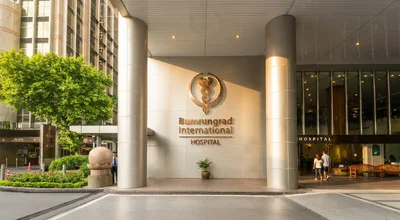
Bumrungrad International Hospital
Tertiary hospital with over 1,200 physicians treating 520,000+ international patients a year.
View hospital profile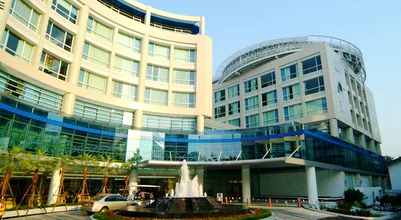
Bangkok Hospital
BDMS flagship tertiary campus with standalone heart, cancer, and neuro-orthopaedic hospitals.
View hospital profile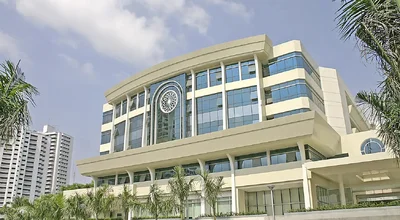
Samitivej Sukhumvit Hospital
Tertiary hospital known for paediatrics, home to Thailand's first private children's hospital.
View hospital profile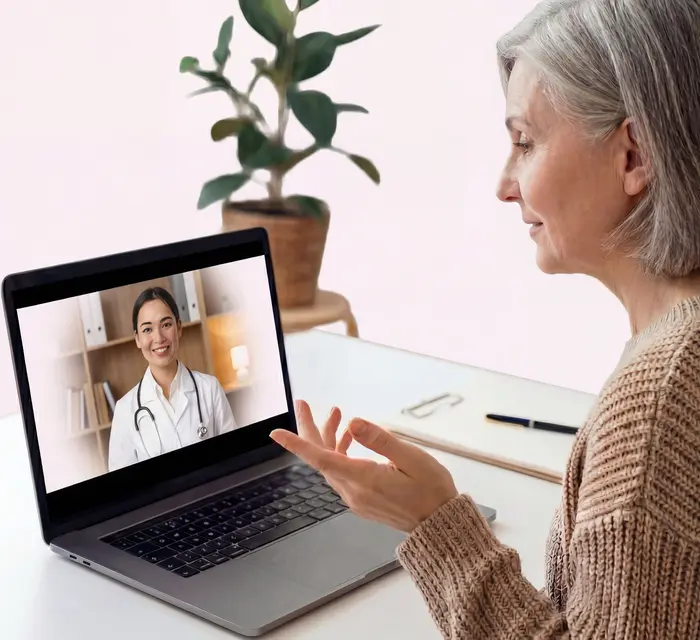
Tell Us What You Need. We Do the Rest.
Share what you're considering and we'll come back with surgeon options, pricing, and a clear plan.
- Real hospital pricing with zero markup
- Matched with a specialist experienced in your specific procedure
- Full coordination from consultation to recovery


Trusted by patients worldwide
The complete guide to Fibroid Removal in Thailand
Everything below is for readers who want the full detail: costs broken down, types and techniques, recovery, risks and safety, and planning your trip.
Fibroid Removal Surgeons & Clinics in Thailand
Myomectomy requires more surgical skill than hysterectomy. Removing fibroids while preserving a functional uterus is technically demanding. Here is what to look for.
Leading Hospitals in Bangkok
Our partner hospitals hold JCI accreditation and have dedicated gynaecological surgery departments with laparoscopic towers, robotic platforms, hysteroscopic equipment, and on-site pathology. Blood banking services ensure transfusion support is immediately available for complex cases.
Experienced Myomectomy Surgeons
Our partner gynaecological surgeons have specific experience in fertility-preserving myomectomy. Many completed advanced minimally invasive surgery fellowships and perform high volumes of laparoscopic and hysteroscopic fibroid removal annually.
What to Look for in a Surgeon
Ask about the surgeon's specific myomectomy volume, not just general gynaecological surgery numbers. If fertility preservation is important, confirm they use multi-layer uterine closure and anti-adhesion barriers. For laparoscopic cases, ask about their approach to contained morcellation.
Understanding Your Results
Myomectomy results are measured by symptom relief, uterine preservation, and, for many patients, successful future pregnancy.
Typical Fibroid Removal Results
Pressure symptoms including urinary frequency and bloating improve within days. Heavy bleeding improves from your first period after surgery rather than immediately. The uterus is preserved with full reproductive potential, and many women conceive naturally after myomectomy once the uterine wall has healed.2
What Results Can You Expect?
Symptomatic relief is rapid. Internal uterine healing takes three to six months, during which most surgeons recommend waiting before attempting conception. Timing guidance depends on the depth and extent of your uterine repair.
Fibroid Removal Cost in Thailand
Average Cost of Fibroid Removal
Our partner hospital's published fly-in packages run from ฿180,000 to ฿379,500, about $5,294 to $11,162. Open myomectomy through a lower abdominal incision is ฿180,000 with three nights in hospital. Keyhole myomectomy is ฿339,000 with two nights, rising to ฿379,500 if ovarian work is done at the same sitting. Removing a fibroid through the cervix with a hysteroscope is not a published package and is quoted individually. These are one hospital's published rates rather than a national price, and figures across branches of the same network differ considerably.
Cost Breakdown
Each package covers the surgeon's fee, the anaesthetist, theatre time with the laparoscopic equipment, and the stated nights in hospital with nursing care. Pathology on the fibroids removed is included, which is worth flagging because the hospital excludes pathology from its standard surgical packages and makes an exception in gynaecology. Outside the package sit pre-operative medical clearance, blood tests, the ultrasound and MRI mapping the plan depends on, and any GnRH agonist course or iron infusion used to shrink the fibroids or rebuild your blood count before surgery. Medication for conditions you already take is billed on top, and flights, accommodation and travel insurance sit outside entirely.
What Affects the Price?
The route of surgery dominates everything else, and it works in the direction most patients do not expect. Keyhole is ฿159,000 more than open, close to twice the price, because the operation uses disposable instruments and takes longer in theatre. What it buys back is a night, two rather than three. The second variable is whether ovarian work is added, which takes the keyhole package from ฿339,000 to ฿379,500. The number and size of your fibroids decide which route is even possible, so in practice your imaging chooses the price bracket rather than you.
Thailand vs International Price Comparison
The open route at about $5,294 sits at roughly half the $10,500 floor for self-funded myomectomy in the US, and well under UK private pricing of £7,700 to £15,800. The keyhole packages are a different matter. At about $9,971 and $11,162 they sit level with or slightly above that US floor, so for a keyhole myomectomy quoted at the lower end at home there may be no saving in travelling at all. Get a written comparison for the specific route your imaging points to rather than relying on a headline range.
Non-Surgical Alternatives to Fibroid Removal
Most women try less invasive options before surgery, and for milder symptoms they can be enough. Medication is usually first: tranexamic acid to curb heavy bleeding, a levonorgestrel (hormonal) IUD to lighten periods, or GnRH agonists to shrink fibroids and pause bleeding short term. Uterine artery embolisation is a non-surgical, image-guided procedure that blocks the fibroids' blood supply so they shrink, with no incision and a quick recovery.
Each has real limits. Medication manages symptoms rather than removing the fibroids, so the effect lasts only while you keep taking it, and GnRH agonists are a short course because of bone-density and menopausal side effects. Embolisation shrinks fibroids but does not take them out, is generally not advised when future pregnancy is the priority, and a proportion of women still need surgery later. None of these makes a fibroid that is pressing on the bladder or distorting the uterine cavity disappear.
Myomectomy becomes the right step when fibroids are large, numerous, or affecting fertility, when bleeding or pressure no longer responds to medication, or when you want them physically removed while keeping your uterus. It is the route that addresses the fibroids directly rather than managing around them, and it is what the rest of this page covers.
Types of Fibroid Removal
The right approach depends on where the fibroids sit within the uterus. Your pre-operative imaging (ultrasound and MRI where needed) maps them precisely so your surgeon can choose the technique that achieves complete removal with the least disruption.
Laparoscopic Myomectomy
Minimally invasive keyhole approach using a camera and specialised instruments through small abdominal incisions. Suited for subserosal and moderate intramural fibroids. Offers reduced blood loss, less post-operative pain, and faster return to activity than open surgery.
- Smaller incisions with less scarring and tissue disruption
- Shorter hospital stay and faster recovery than open surgery
- Well suited for subserosal and moderate intramural fibroids
- Best for: one to four fibroids that are accessible laparoscopically
Robotic-Assisted Myomectomy
A refinement of the keyhole approach where the surgeon operates from a console controlling robotic instruments. The wristed instruments and magnified 3D view give finer control during the most demanding part of the operation, the layered repair of the uterine wall. Useful for deeper or more numerous intramural fibroids that would otherwise tip a case towards open surgery.
- Wristed instruments and 3D vision aid precise multi-layer uterine repair
- Can keep some complex cases minimally invasive that would otherwise be open
- Same small incisions and recovery profile as standard laparoscopy
- Best for: deeper or multiple intramural fibroids where suturing precision matters most
Hysteroscopic Myomectomy
A non-incisional technique accessing the uterine cavity through the cervix using a hysteroscope. Submucosal fibroids projecting into the cavity are shaved or resected under direct camera visualisation. No abdominal incisions and most patients go home the same day.
- No abdominal incisions; access entirely through the cervix
- Fastest recovery of all myomectomy techniques
- Ideal for submucosal fibroids affecting the uterine cavity
- Best for: fibroids that protrude into the uterine cavity and cause bleeding or fertility problems
Open (Abdominal) Myomectomy
Performed through a lower abdominal incision, giving direct access to the uterus. Recommended when fibroids are numerous, very large, or deeply embedded within the muscle wall. Recovery is longer, but this remains the most effective option for complex cases.
- Allows removal of very large or multiple fibroids in one procedure
- Direct visualisation for precise uterine repair after removal
- Most appropriate for complex or deeply embedded fibroids
- Best for: large fibroids over 10 cm, numerous fibroids, or deeply intramural cases
Fibroid Removal Techniques
Technique depends on fibroid location, size, and number. The goal is complete removal with secure uterine repair, particularly important if future pregnancy is planned.
Laparoscopic Power Morcellation
After laparoscopic fibroid removal, an electromechanical morcellator fragments the tissue inside a containment bag for extraction through a small incision. This avoids enlarging the incision to remove large fibroids. Contained morcellation prevents tissue dispersal within the abdomen.
- Allows extraction of large fibroids through small incisions
- Contained bag technique prevents tissue dispersal
- Preserves the advantages of minimally invasive surgery
- Best for: large fibroids where open extraction would require a bigger incision
Multi-Layer Uterine Closure
After intramural fibroid removal, the uterine wall is repaired in multiple layers using absorbable sutures. This technique restores structural integrity and is essential for women planning future pregnancies, as it minimises the risk of uterine rupture during labour.
- Restores uterine wall strength through layered repair
- Critical for women planning future pregnancies
- Reduces the risk of uterine rupture during labour
- Best for: all intramural myomectomies, especially when fertility preservation is the goal
GnRH Agonist Pre-Treatment
For large fibroids, your surgeon may prescribe GnRH agonist injections for two to three months before surgery. This shrinks the fibroids, reduces their blood supply, and makes removal technically easier with less intraoperative bleeding. It also corrects anaemia from fibroid-related heavy bleeding.
- Shrinks fibroids before surgery2
- Reduces intraoperative blood loss significantly
- Allows correction of pre-operative anaemia
- Best for: large fibroids or patients who are anaemic from heavy bleeding
Fibroid Removal Recovery Timeline
Day 1
You rest in hospital with pain managed through intravenous and oral medication. The care team monitors vitals and checks for early post-operative bleeding. Light movement in bed is encouraged. Hysteroscopic patients may be discharged the same day.
Days 2–3
Gentle walking increases gradually. Most laparoscopic and hysteroscopic patients are discharged during this period. Open myomectomy patients may stay an additional night. Diet returns to normal and the catheter is removed.
Weeks 1–2
A follow-up appointment checks wound healing and reviews your progress. Light daily activities are permitted, but lifting, strenuous exercise, and sexual intercourse are avoided. Mild cramping and light vaginal spotting are normal.
Weeks 3–6
Activity increases gradually. Laparoscopic and hysteroscopic patients typically resume full activity by weeks three to four. Open myomectomy patients may need up to six weeks.1 A final review confirms healing and discusses fertility planning if relevant.
When Can You Fly After Fibroid Removal?
Most laparoscopic and hysteroscopic patients fly home within 7 to 10 days. Open myomectomy patients should allow 10 to 14 days before flying. We recommend an aisle seat, compression stockings, regular leg movement, and good hydration during the flight.
When Can You Return to Work and Exercise?
Desk work is usually possible within one to two weeks for laparoscopic and hysteroscopic patients, and two to three weeks for open surgery. Light walking from day one. Gym workouts and heavy lifting should wait four to six weeks. Avoid driving while taking opioid pain medication and until you can brake hard for an emergency stop without pain, which is usually one to two weeks after laparoscopic or hysteroscopic surgery and three to four weeks after open myomectomy.
When Will You See Final Results?
Pressure symptoms resolve within days as swelling settles. Heavy bleeding improves from your first period after surgery rather than immediately. The uterine wall continues to heal and strengthen for three to six months. The optimal timeline for attempting conception is discussed if fertility is a goal.
Anaesthesia for Fibroid Removal
Myomectomy in Thailand is performed under general anaesthesia, so you are fully asleep and feel nothing during the operation, whether your fibroids are removed through the cervix, through keyhole incisions, or through an open abdominal incision. A consultant anaesthetist stays with you throughout and monitors you continuously, which is standard at the accredited hospitals we work with.
Before you are cleared for anaesthesia you have a pre-operative assessment, including blood tests and a review of any medications you take. This matters more than usual with fibroids, because heavy bleeding can leave you anaemic, and your team will want that corrected first, sometimes with iron or a short course of GnRH agonist injections, so you go into surgery in the safest possible state.
You feel nothing while the fibroids are removed and the uterus is repaired. Afterwards, keyhole and hysteroscopic patients tend to have mild to moderate cramping that settles within a few days, while open surgery involves more discomfort across a slightly longer recovery. Either way, pain is well controlled with intravenous medication in hospital and prescribed oral medication once you are home.
Risks and Safety of Fibroid Removal
Myomectomy is a well-established gynaecological procedure. Complications are uncommon when performed by experienced surgeons, but they are worth understanding.
- Bleeding requiring transfusion (uncommon)
- Infection at the incision or uterine site
- Adhesion formation (scar tissue that may affect fertility)
- Uterine wall weakness affecting future pregnancy (rare with proper repair)
- Fibroid recurrence over time
- Injury to surrounding organs (bladder, bowel, or ureter), rare
Multi-layer uterine closure, anti-adhesion barriers, and meticulous haemostasis are the main tools for reducing these risks. Surgeon experience with myomectomy specifically, not just general gynaecological surgery, is what matters most.
Is Fibroid Removal Safe in Thailand?
Yes. Myomectomy at JCI-accredited hospitals in Thailand is performed by gynaecological surgeons with specific experience in fertility-preserving techniques. The hospitals have blood banking, intensive care, and the full infrastructure needed to manage any complication.
How to Reduce Your Risk
Choose a surgeon with high myomectomy volume and specific expertise in the technique appropriate for your fibroid location. Pre-operative MRI mapping ensures the surgical plan accounts for all fibroids. GnRH agonist pre-treatment reduces intraoperative bleeding for large fibroids. Anti-adhesion barriers reduce post-operative scar tissue formation.
Can Fibroids Grow Back After Surgery?
New fibroids can develop over time. This is new fibroid growth, not regrowth of removed fibroids, and younger women are more likely to develop them.1 Monitoring strategies and whether hormonal management is appropriate are covered during follow-up.
Planning Your Trip to Thailand for Fibroid Removal
Most patients need 7 to 10 days in Thailand for myomectomy, with open surgery patients benefiting from staying closer to 10 to 14 days.
How Long to Stay in Thailand
Plan for 7 to 10 days for laparoscopic and hysteroscopic procedures, or 10 to 14 days for open myomectomy. This covers pre-operative imaging, surgery, inpatient recovery, and at least one follow-up appointment to confirm healing before you fly home.
What's Included in a Medical Trip
Your care coordinator manages hospital transfers, surgery scheduling, and all follow-up appointments. The package covers the surgeon's fee, anaesthesia, the stated nights in hospital, and pathology on the fibroids removed. Pre-operative clearance, blood work, pelvic imaging and any GnRH agonist or iron treatment before surgery are billed separately, so ask for those itemised alongside the package. Flights and accommodation are separate.
Recovery in Bangkok vs Phuket
Stay in Bangkok. Myomectomy patients need proximity to their surgical team for wound checks and to address any concerns during the recovery period. Bangkok offers comfortable serviced apartments near the major hospitals.
Related Procedures
Other procedures that address similar goals or conditions, in case one of them is a closer fit for you.
Planning your treatment in Thailand
Independent guides to help you weigh the decision, before you commit to anything.
Common Questions About Fibroid Removal
Everything you need to know before your procedure

Medical References
Keep researching with AI
Open this guide in your AI assistant to dig deeper and ask the questions it didn't answer.
Opens in a new tab with this guide already loaded.
Medical disclaimer: Content on this site is provided for informational purposes and should not be treated as medical advice. Outcomes, timelines, and eligibility differ from person to person. Consult a qualified medical professional before making any decisions about surgery or treatment.
Ready to Get Started?
Speak with our care coordinators for a free, no-obligation consultation and personalised quote.
Speak to Our Team