Endometriosis Surgery in Thailand Your guide to cost, top specialists & hospitals
Excision surgery removes the disease at its root, not just the surface. That distinction changes outcomes.
What Is Endometriosis Surgery?
Also known as: Endometriosis Treatment · Laparoscopic Excision of Endometriosis
Endometriosis surgery is keyhole surgery that clears endometriosis from the pelvis by cutting out the diseased deposits. Endometriosis is tissue like the uterine lining growing where it should not, often on the ovaries, pelvic lining, or bowel, where it reacts to your cycle and causes inflammation, scarring, and pain. It is usually laparoscopic, through a few small incisions, and runs around 1 to 4 hours. The preferred method is excision, removing lesions at the root and sending them to the lab to confirm the diagnosis, rather than ablation, which burns the surface and recurs more often.
Living with endometriosis is exhausting, and reaching surgery often takes years. Every case differs, so your surgeon maps the disease on imaging first and plans around it. If protecting your fertility matters, that shapes the approach too, particularly how ovarian cysts are removed.
Surgery clears the disease that is there and eases pain for most women, but it is not a cure: endometriosis can return, and results vary. A consultation with your recent scans is the honest way to understand what it can realistically do.
It can address a range of concerns, including:
Am I a Good Candidate for Endometriosis Surgery?
Excision suits women with confirmed or strongly suspected endometriosis whose pain or fertility has not responded to medical management.
Excision surgeons operate from a mapped picture of the disease, not from symptoms alone.
Confirmed or strongly suspected: Endometriosis should be visible or strongly suggested on transvaginal ultrasound, with pelvic MRI where deep disease is suspected.
MRI before deep work: Suspected bowel or ureteric involvement needs recent MRI mapping before any surgical plan is credible.
Team assembled for severe disease: Complex cases may need a multidisciplinary team including a colorectal surgeon, which is confirmed before surgery rather than improvised during it.
Surgery is for symptoms that medical management has genuinely failed to control, not a first resort.
Hormonal therapy trialled: Surgeons look for chronic pelvic pain, painful intercourse, or heavy periods persisting despite hormonal management.
Specialist review at home: Whether excision or further medical therapy fits your case is worth reviewing with an endometriosis specialist before committing to travel.
Disabling symptoms: Pain that worsens during menstruation and no longer responds to medication is the clearest surgical indication on this page.
For many patients fertility is the main reason to operate, and the timing around surgery matters.
Fertility preservation as a goal: Excision restores pelvic anatomy and can improve natural conception rates, with outcomes best in the first 6 to 12 months after surgery.
Coordinate with treatment cycles: Active IVF or fertility treatment cycles need timing coordinated with the surgeon before surgery is scheduled.
Ovarian reserve protected: Endometrioma removal is done with techniques that preserve healthy ovarian tissue, which matters if conception is planned.
Excision delivers strong results, but honest framing of recurrence and recovery keeps expectations grounded.
Relief builds over months: Pain often improves within the first week, with the full benefit emerging over one to three months.
Recurrence is possible: Endometriosis can recur over time. Excision recurs less than ablation, and post-operative hormonal therapy can reduce the risk further.
A management plan follows: Surgery is one part of long-term care, alongside follow-up and possible hormonal suppression.
Who is not suitable for endometriosis surgery?
- Symptoms not yet trialled on hormonal therapy or pain management
- Blood thinners or supplements that cannot be paused one week before surgery
- Pregnancy not excluded by a recent test before surgery
- Significant uncontrolled heart or lung disease, or otherwise not medically fit for general anaesthesia
Pricing
How Much Will Endometriosis Surgery Cost in Thailand?
What endometriosis surgery costs at accredited hospitals in Thailand, and what your final quote depends on.
Get your exact price
Tell us what you're considering and we'll send a personalised quote from accredited hospitals within 24 hours.
Get my free quoteTypical prices in Thailand
Typical ranges based on recent hospital quotes. Your exact price depends on the hospital and how complex your case is, and is confirmed at your teleconsultation.
Endometriosis Surgery
Keyhole surgery reaches the pelvis through small incisions to remove or destroy endometriosis, the tissue like the womb lining that grows where it should not and causes pain.
| Laparoscopic minimal surgery, covering lysis of adhesions, ovarian drilling and coagulation of endometriotic spots 1 night The lighter laparoscopic operation, not deep excision surgery | $4,900 ฿166,800 |
Typically not included
- Deep excision surgery itself, so bowel shaving, ureteric dissection and endometrioma excision fall outside this lighter package
- Specialist consultant fees beyond the operating gynaecologist, such as the colorectal surgeon or urologist a deep case needs
- Hormonal suppression after surgery, which many women resume to lower recurrence risk
- Laboratory tests and imaging, including the pelvic MRI that maps deep disease before a surgical plan can be made
- Intensive care or extra hospital nights beyond the one in the package
- Pre-operative medical clearance and fitness assessment
Get your exact price
Tell us what you're considering and we'll send a personalised quote from accredited hospitals within 24 hours.
Hospitals Trusted for Endometriosis Surgery
From internationally accredited flagships to dedicated specialist hospitals, these are the kinds of facilities where international patients have this procedure.
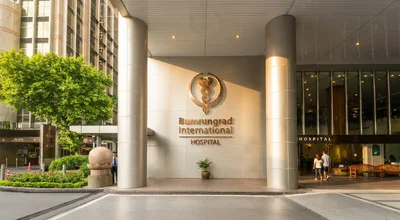
Bumrungrad International Hospital
Tertiary hospital with over 1,200 physicians treating 520,000+ international patients a year.
View hospital profile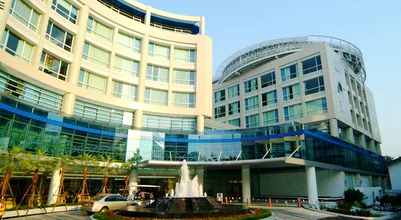
Bangkok Hospital
BDMS flagship tertiary campus with standalone heart, cancer, and neuro-orthopaedic hospitals.
View hospital profile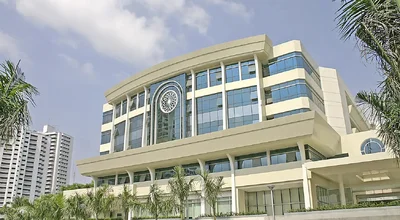
Samitivej Sukhumvit Hospital
Tertiary hospital known for paediatrics, home to Thailand's first private children's hospital.
View hospital profile
Tell Us What You Need. We Do the Rest.
Share what you're considering and we'll come back with surgeon options, pricing, and a clear plan.
- Real hospital pricing with zero markup
- Matched with a specialist experienced in your specific procedure
- Full coordination from consultation to recovery


Trusted by patients worldwide
The complete guide to Endometriosis Surgery in Thailand
Everything below is for readers who want the full detail: costs broken down, types and techniques, recovery, risks and safety, and planning your trip.
Endometriosis Surgeons & Clinics in Thailand
Endometriosis excision is one of the most technically demanding procedures in gynaecological surgery. Surgeon selection matters more here than for almost any other pelvic procedure.
Leading Hospitals in Bangkok
Our partner hospitals hold JCI accreditation and have dedicated advanced gynaecological surgery programmes with laparoscopic and robotic capability. For complex cases, they can assemble multidisciplinary teams including colorectal surgeons and urologists within the same hospital.
Experienced Endometriosis Surgeons
Our partner gynaecological surgeons have specific training and experience in endometriosis excision, including deep infiltrating disease. Many completed advanced minimally invasive surgery fellowships and perform high volumes of complex excision annually.
What to Look for in a Surgeon
Ask whether the surgeon performs excision or ablation as their default technique. This is the most important question. Confirm they have experience with deep infiltrating endometriosis and can manage bowel involvement. A surgeon who requires pre-operative MRI before planning surgery is following best practice.
Understanding Your Results
Endometriosis surgery results are measured by pain relief, fertility improvement, and disease recurrence rates.
Typical Endometriosis Surgery Results
Excision surgery provides significant pain relief for the majority of patients. Fertility rates improve following surgery, with the best outcomes in the first 6 to 12 months. Histological analysis of excised tissue confirms the diagnosis and extent of disease, guiding long-term management.
What Results Can You Expect?
Pain begins improving within the first week. The full benefit emerges over one to three months as surgical inflammation resolves. If fertility is your primary goal, discuss timing of conception with your fertility specialist; the window of opportunity is widest in the year following surgery.
Endometriosis Surgery Cost in Thailand
Average Cost of Endometriosis Surgery
Our partner hospital quotes one fly-in figure here, ฿166,800, about $4,906, with one night in hospital. It is important to be precise about what that price buys. The package covers laparoscopic minimal surgery, meaning freeing adhesions, ovarian drilling and coagulating visible endometriotic spots. It is not deep excision surgery for severe disease. There is no standing price for bowel shaving, ureteric dissection or endometrioma excision, so if your MRI shows deep disease, expect an individual quote rather than this figure. Note also that the hospital has given this row as ฿166,800 in one place and ฿168,800 in another, so have the number confirmed in writing.
Cost Breakdown
The package covers the surgeon's fee, the anaesthetist, theatre time with the laparoscopic equipment, and one night in hospital with nursing care. Pathology on the tissue removed for the condition being treated is included, which is worth flagging because pathology is normally billed on top and gynaecology is the exception. Outside the package sit pre-operative clearance, blood tests, the pelvic MRI that maps deep disease, any colorectal surgeon or urologist a complex case needs, and the hormonal suppression many women return to afterwards.
What Affects the Price?
The published figure does not flex with disease extent, because it describes one defined operation rather than a scale of them. What changes your total is whether your case fits inside that operation at all. An MRI showing deep deposits on the bowel or ureters, or an endometrioma that needs excising, moves you to an individually quoted operation with a longer theatre list, sometimes a second surgeon, and a longer stay. This is the single most useful question to settle before you travel.
Thailand vs International Price Comparison
At about $4,906 the published package sits well below the $12,000 to $24,000 charged for self-funded endometriosis surgery in the US and UK private pricing of £8,800 to £18,000. Treat that gap carefully, though, because it is not comparing like with like. Western quotes at those levels usually describe excision surgery by a specialist centre, which is a bigger operation than the package on this page. The fair comparison is between an individually quoted deep excision in Bangkok and a deep excision at home, and that is a figure we would get in writing for you rather than estimate here.
Medical Management vs Surgery for Endometriosis
Most women try medical management before surgery, and that is the right order. Hormonal treatment, the combined pill, progestins, the Mirena coil, or GnRH analogues, works by suppressing the menstrual cycle so the endometriosis is given less to react to. Alongside anti-inflammatory pain relief, it controls symptoms well for many women and can be enough on its own, especially for milder disease. Trialling it first is sensible, and surgeons expect to see it on your history.
What it cannot do is remove the disease. Hormonal therapy quietens endometriosis rather than clearing it, so symptoms tend to return once treatment stops, the deposits and adhesions remain, and it does not improve fertility. The side effects vary from person to person, and GnRH analogues in particular are usually only a short-term option. For deep infiltrating disease on the bowel or ureters, or an ovarian endometrioma, medication will not reach the underlying problem.
Surgery becomes the right step when symptoms stay uncontrolled despite medical management, when imaging shows deep disease or an endometrioma, or when fertility is the priority and the clock matters. Laparoscopic excision removes the disease at its root and is the route the rest of this page covers. Many women then return to hormonal suppression afterwards to lower the chance of recurrence, so the two are often used together rather than being a straight either-or choice.
Types of Endometriosis Surgery
The surgical approach depends on disease depth, location, and your fertility goals. Excision is preferred over ablation because it removes the disease completely and yields tissue for pathological analysis, confirming the diagnosis definitively.
Laparoscopic Excision
The gold-standard approach. Endometriotic lesions are cut out entirely, including deep infiltrating deposits on the bowel, bladder, and uterosacral ligaments. This removes disease from its root, provides tissue for histological confirmation, and produces lower recurrence rates than ablation.
- Complete removal of lesions for histological diagnosis
- Lower recurrence rates than surface ablation
- Effective for deep infiltrating endometriosis
- Best for: all stages of endometriosis, particularly deep infiltrating disease
Laparoscopic Ablation
Surface endometriotic deposits are destroyed using laser or diathermy. Effective for superficial peritoneal disease and sometimes combined with excision of deeper lesions. Quicker to perform but does not yield tissue for pathological analysis and has higher recurrence rates than excision.
- Suitable for superficial peritoneal endometriosis
- Shorter operative time in straightforward cases
- Often combined with excision for mixed-depth disease
- Best for: superficial disease where excision is unnecessary or combined with deeper excision
Robotic-Assisted Excision
The surgeon operates through small keyhole incisions using a robotic platform providing enhanced three-dimensional visualisation and instrument articulation. Particularly valuable for deep infiltrating disease involving the bowel, ureters, or other structures where precision is critical.
- Enhanced 3D visualisation and instrument precision
- Ideal for complex deep infiltrating disease near vital structures
- Minimally invasive with the benefits of magnified access
- Best for: deep infiltrating endometriosis involving bowel, ureters, or rectovaginal septum
Endometriosis Surgery Techniques
The technique depends on disease depth and location. Deep infiltrating endometriosis involving bowel or ureters requires a different skill set than superficial peritoneal disease. Pre-operative MRI mapping is essential for planning.
Bowel Shaving and Disc Resection
For deep infiltrating endometriosis on the bowel, the surgeon shaves diseased tissue from the bowel wall or removes a disc of affected tissue. This avoids full bowel resection in most cases while achieving complete disease clearance. A colorectal surgeon may assist for complex cases.
- Removes bowel endometriosis without full segmental resection in most cases
- Preserves bowel function and avoids stoma
- Colorectal surgeon available for complex involvement
- Best for: rectosigmoid or bowel wall endometriosis confirmed on MRI
Ovarian Cystectomy for Endometriomas
Endometriotic cysts on the ovaries (endometriomas) are excised by carefully separating the cyst wall from healthy ovarian tissue. The excision technique preserves as much functional ovarian tissue as possible, protecting hormonal function and fertility potential.
- Removes the endometrioma cyst wall while preserving ovarian tissue
- Yields tissue for histological analysis to exclude other pathology
- Protects ovarian reserve and fertility potential
- Best for: ovarian endometriomas larger than 3 to 4 cm on imaging
Adhesiolysis
Endometriosis frequently causes dense adhesions, bands of scar tissue that distort pelvic anatomy, fix organs together, and contribute to pain and infertility. Careful sharp dissection separates these adhesions, restoring normal anatomy and improving both symptoms and fertility outcomes.
- Restores normal pelvic anatomy distorted by scar tissue
- Improves fertility by freeing ovaries and tubes
- Performed alongside excision of endometriotic deposits
- Best for: all endometriosis surgery cases where adhesions are present
Ureterolysis
When endometriosis encases or distorts the ureter, the surgeon carefully dissects the disease away to free the tube and protect kidney function. This is delicate work done close to a vital structure, which is why pre-operative MRI mapping and surgeon experience with deep disease matter so much. A urologist may assist where involvement is extensive.
- Frees the ureter from encasing endometriosis to protect kidney drainage
- Reserved for deep disease confirmed on MRI, often near the uterosacral ligaments
- Urologist available within the same hospital for complex involvement
- Best for: deep infiltrating endometriosis affecting or surrounding the ureter
Endometriosis Surgery Recovery Timeline
Day 1
You wake from general anaesthesia and are monitored in the recovery ward. Pain is managed with intravenous medication and anti-inflammatory drugs. Most patients can sit up and sip fluids within a few hours. Gentle walking is encouraged the same day.
Days 2–3
Diet advances to light meals as tolerated. The surgical team reviews port-site wounds and checks for complications. Most patients are discharged on day two, once pain is controlled with oral medication.
Days 4–10
You recover at your accommodation with light walking and gentle daily activities. A follow-up confirms wound healing, reviews preliminary pathology, and ensures recovery is on track. Your surgeon discusses any further treatment recommendations before you travel home.
Weeks 2–4
Most patients return to desk work within two weeks.1 Strenuous exercise and heavy lifting should be avoided for four weeks. After complex bowel or ureteric work, allow longer: roughly four to six weeks before desk work and six to eight weeks before exercise following a bowel resection, guided by your surgeon. Residual bloating or menstrual irregularity typically settles within one to two cycles. Your surgeon provides a management plan to reduce recurrence risk.
When Can You Fly After Endometriosis Surgery?
Most patients fly home within 7 to 10 days of surgery, once wound healing is satisfactory and there are no complications. Stay hydrated, wear compression stockings, and move regularly during the flight.
When Can You Return to Work and Exercise?
Desk work is typically possible within one to two weeks. Light walking from day one. Gym workouts and heavy lifting should wait four weeks. The timeline depends partly on the extent of surgery; simple excision recovers faster than complex bowel or ureteric work, where desk work may take four to six weeks and exercise six to eight weeks after a bowel resection.
When Will You See Final Results?
Pain often begins to improve within the first week as surgical swelling subsides. The full benefit emerges over one to three months. Fertility outcomes are best in the first 6 to 12 months following surgery, so discuss timing with your fertility specialist if conception is your goal.
Anaesthesia for Endometriosis Surgery
Laparoscopic excision of endometriosis is performed under general anaesthesia, so you are fully asleep and feel nothing during the operation. This is necessary because the abdomen is gently inflated with gas to give the surgeon a clear view, and the procedure can run anywhere from 1 to 4 hours depending on how widespread the disease is. A consultant anaesthetist stays with you throughout and monitors you continuously, which is standard at the accredited hospitals we work with.
Before you are cleared for anaesthesia you have a pre-operative assessment, including blood tests and a review of any regular medication, particularly hormonal therapy and anything that thins the blood, which your surgeon will tell you whether to pause. Because deeper cases can involve the bowel or ureters, your team uses your MRI mapping to plan the operation and the anaesthetic together before you are taken through.
You feel nothing during surgery. Once you wake, the discomfort is usually moderate rather than sharp: some tenderness around the small keyhole incisions for a couple of days, and often a shoulder-tip ache from the gas used during laparoscopy. Both settle quickly and are well controlled with the medication your surgeon prescribes, starting with intravenous pain relief in recovery and moving to tablets as you improve.
Risks and Safety of Endometriosis Surgery
Laparoscopic endometriosis surgery has a strong safety profile. Risks increase with disease complexity and involvement of organs like the bowel, bladder, and ureters.
- Nerve injury from deep dissection along the uterosacral ligaments or pelvic sidewall, which can cause temporary bladder hypotonia (difficulty emptying) or altered sensation
- Adhesion formation after surgery
- Recurrence of endometriosis over time
- Temporary changes to bladder or bowel function
Pre-operative MRI mapping and surgeon experience with deep infiltrating disease are the two most important factors in minimising complications. Excision by an experienced specialist carries lower complication rates than surgery by a general gynaecologist.
Is Endometriosis Surgery Safe in Thailand?
Yes. Laparoscopic excision at JCI-accredited hospitals in Thailand is performed by gynaecological surgeons with specific endometriosis expertise. For bowel involvement, a colorectal surgeon can be brought in. The hospitals have full in-house infrastructure for managing any complication.
How to Reduce Your Risk
Choose a surgeon with specific endometriosis excision experience and high case volume. Pre-operative MRI mapping is essential for deep infiltrating disease. If bowel or ureteric involvement is suspected, confirm that a multidisciplinary team, including a colorectal surgeon, is available for your case.
Can Endometriosis Come Back After Surgery?
Endometriosis can recur over time after surgery.1,2 Excision offers lower recurrence than ablation. Hormonal therapy after surgery, such as continuous progesterone or GnRH analogues, can reduce this risk further, particularly if fertility is not an immediate priority.
Planning Your Trip to Thailand for Endometriosis Surgery
Most patients need 7 to 10 days in Thailand. Complex cases involving deep disease may benefit from a slightly longer stay.
How Long to Stay in Thailand
Plan for 7 to 10 days. This covers pre-operative consultation and MRI review, surgery, one to two nights in hospital, recovery at your accommodation, and a follow-up appointment to review wound healing and early pathology before you fly home.
What's Included in a Medical Trip
Your care coordinator arranges hospital transfers, surgery scheduling, and all follow-up appointments. The published package covers the surgeon's fee, anaesthesia, one night in hospital, and histopathology on the tissue removed. Pre-operative clearance, blood work and the pelvic MRI are billed separately, as is any second surgeon a deep case needs, so ask for those itemised alongside the package. Flights and accommodation are separate.
Recovery in Bangkok vs Phuket
Stay in Bangkok for the full recovery period. Endometriosis surgery, particularly cases involving bowel or ureteric work, requires proximity to your surgical team for follow-up and in case any post-operative concerns arise.
Related Procedures
Other procedures that address similar goals or conditions, in case one of them is a closer fit for you.
Planning your treatment in Thailand
Independent guides to help you weigh the decision, before you commit to anything.
Common Questions About Endometriosis Surgery
Everything you need to know before your procedure

Medical References
Keep researching with AI
Open this guide in your AI assistant to dig deeper and ask the questions it didn't answer.
Opens in a new tab with this guide already loaded.
Medical disclaimer: Content on this site is provided for informational purposes and should not be treated as medical advice. Outcomes, timelines, and eligibility differ from person to person. Consult a qualified medical professional before making any decisions about surgery or treatment.
Ready to Get Started?
Speak with our care coordinators for a free, no-obligation consultation and personalised quote.
Speak to Our Team